Blog

I blog about nature in the Norfolk countryside and about my wildlife garden. My blog blends digital photos with an analogue nature journal.

Nature journalling blends nature observation and citizen science with a written diariy or art journal to build a deeper connection with nature and cultivate curiosity, creativity and flow.

Discovering Nature Journalling

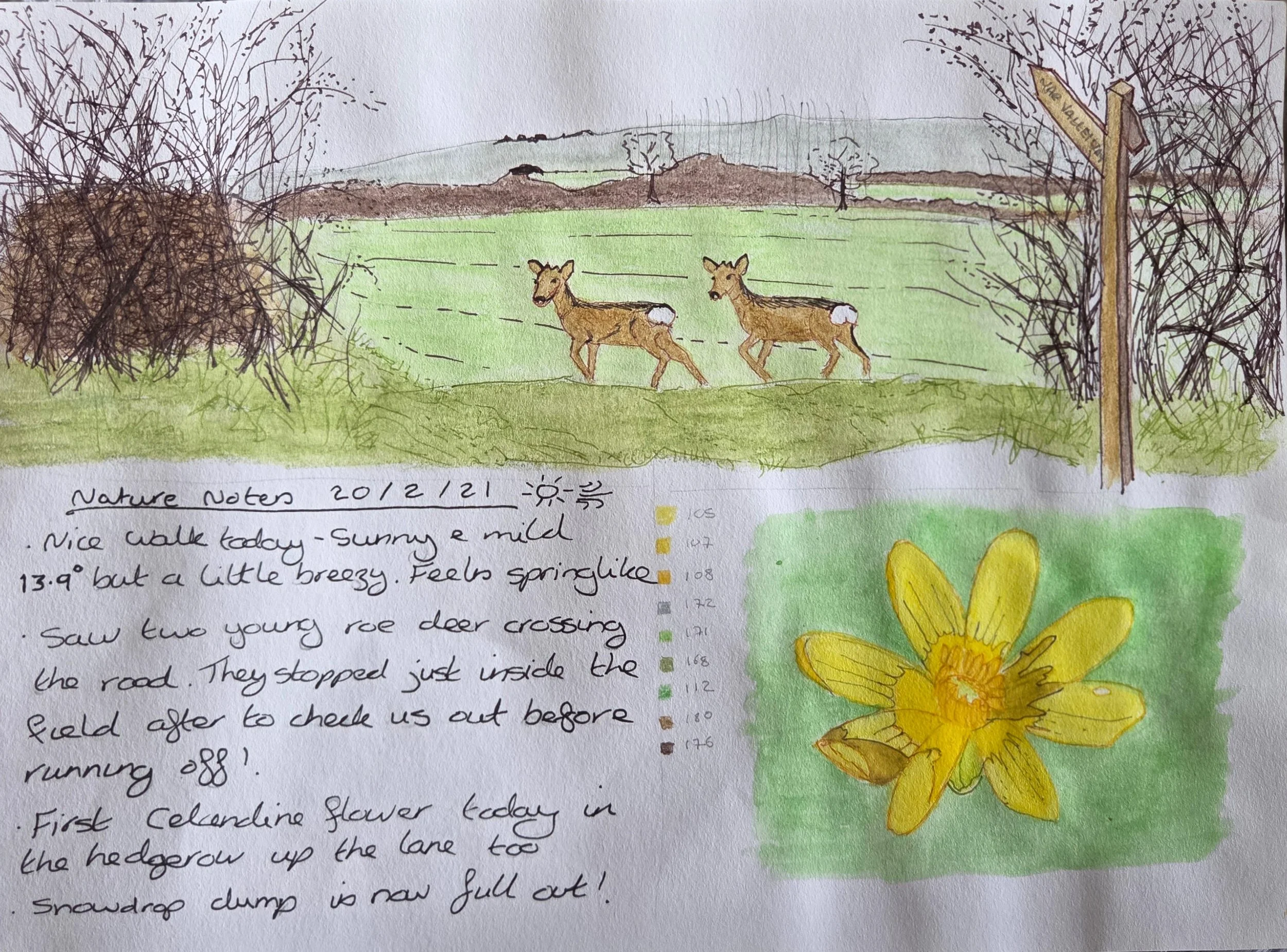
Nature journalling an encounter with two young Roe deer

Even before 2020 I was becoming disillusioned with the increasingly pixel-perfect world of nature photography and some of the practices I witnessed there. So when the pandemic lockdown struck, I decided to go back to my naturalist roots and find new ways to express my love of and curiosity about nature in an analogue format.

Ticking off a list of birds isn't my thing, so I challenged myself to learn to draw from scratch so that I could document my nature observations more visually. This was a tall order - I have never been artistically gifted and my drawing skills were strictly stick-man level. There was no budding artist in me waiting to emerge! During some online research I stumbled across a Facebook group about “nature journalling” being a thing and eureka! I never looked back.

What is Nature Journalling?

At it's simplest nature journaling is about connecting with nature through observation, and capturing your insights on paper. It builds on the long-held tradition of naturalists keeping a field book or diary to record their notes and blends that practice with art and data visualisation to create a creative, insightful and relaxing hobby. It sits at the intersection of nature recording, writer's diary keeping and art journals.

Nature journaling as a hobby was re-imagined by lauded American nature artist John Muir Laws, who coined the three “Lawsian prompts” to encourage observing nature, being curios and sparking creativity: 

“I notice... 

I wonder... 

It reminds me of...." 

Due to its broad appeal, the hobby concept took off and has rapidly expanded to the UK and rest of the world. The great thing about nature journaling, as opposed to creating regular artwork or art diaries, is that the aesthetic quality doesn't matter at all, the focus can be placed squarely on experiencing nature itself not artistic achievement. For me it's about that connection to nature, through observation and using visual representation, embracing imperfection, to develop curiosity and to learn as well as to enjoy being present, flow and mindfulness.

It's the perfect outlet if like me you feel you are creative but not artistically inclined or, ahem, talented. You can nature journal even if your drawing standard is stickman diagrams and tally sticks. Messy entries, like muddy boots, are a sign of time we'll spent!

Nature jounalling lands squarely in the middle of nature observation logs, written diary keeping and sketch or art journals. Some people coming to the hobby from art emphasise drawing or painting while others prefer a combination of words (notes, bullet lists, counts prose or poetry) and diagrams, photos, maps or a even varied mix of everything. Some people like to journal or sketch real time in the field, while others use reference sources or photos - its whatever works for you. It's a very flexible creative hobby that is accessible to almost anyone. 

I've had a few stops and start attempts at getting a nature journalling practice going, trying to find a rhythm and style that works for me as a less artistically capable journaller. From now on I'll increasingly share the fun I've had during my imperfect attempts at journaling my garden observations as well as my photographic highlights.

Nature journalling the different dragonfly species around my wildlife pond
An Early Autumn

After a lacklustre summer, it seemed Autumn was all too eager to get started and arrived right on cue. Even as the calendar clocked over into September, the temperatures fell and clouds and stormy rain appeared. But as always September also brought some bright mild sunny days later on in the month to enjoy.

One of my favourite things about this time of year is watching late Common and Ruddy darter dragonflies doing aerial battle and, once paired up, ovipositing over the pond backlit by that soft, hazy golden autumnal sunshine filled with gossamer spider parachutes. This year was no exception and it seems too that the early spring pond work finally bore fruit as at long last I spotted a Southern Hawker female ovipositing amongst the bulrush roots.

Dragonflies are supremely resilielnt and one of nature’s evolutionary survivors. However uncertain and chaotic things may seem, I find it somehow reassuring to observe dragonflies knowing that they have been on this planet for over 300 million years, predating both dinosaurs and birds, and have survived millenia of change.

Common Darter dragonfly stretching out in the autumn sunshine perched on flowering Purple loosestrife

A female Southern Hawker dragonfly ovipositing amongst Bulrush roots, hopefully a seal of approval for the spring declutter work

Ruddy Darter dragonfly basking on a reed

The Dragonflies Return

One of my biggest concerns last summer was the reduced diversity in the dragonflies visiting our pond, due I suspected to “ecological succession”. Over time ponds naturally fill in and the water becomes more acidic from leaves and organic material. This changes the nature of the habitat and correspondingly, of its inhabitants.

After eight years of benign neglect, our pond plants and marginals had established and flourished so well that there wasn’t a drop of open water left on the surface of our pond. I’d read that certain dragonfly species, particularly larger species like Hawkers require this in order to breed.

True enough, last year we didnt see a single Hawker dragonfly, nor did we see Ruddy Darters and even our usually reliable Broad-bodied Chasers and Four-spotted Chasers didn’t linger. So over winter we prioritised a big clear out in order to create an area of clear water again, although we couldn’t quite bring ourselves to remove our Water-lily root Island.

The long cold spring seemed to delay dragonfly emergences so I was on tenterhooks and initially very uncertain whether our intervention was having a positive or negative effect in drawing in dragonflies. Thankfully the pond seemed to burst into life in our sunny mid June spell. Both Broad-bodied Chasers and numerous Four-spotted Chasers arrived in style, displaying their usual spectacular aeriel battle for territorial hegemony.

To top it off, just a few days ago I was delighted when I saw both Large-Red damselflies mating again and then this Emperor dragonfly ovipositing. This latter species in particular, not seen since our very first season and known for its preference for young very open ponds, seemed a promising sign. Sadly there are still no Hawkers about, but overall, it seems our local Odonata have given our major spring clean a seal of approval, which will hopefully bear more fruit in two year’s time with further new emergences.

You can read a short history of the dragonfly and damselfly colonisation of our new wildlife pond in this blog post . My last new species, a damselfly, arrived the following summer (July 2019) to make ten Odonata species in total. Not bad going for a garden pond!

An Emperor dragonfly (blue form) ovipositing next to the recreated open water in our rejuvenated pond.

The Large Red damselfly, an early species, paired wtih an ovipositing female in our mature wildlife pond.

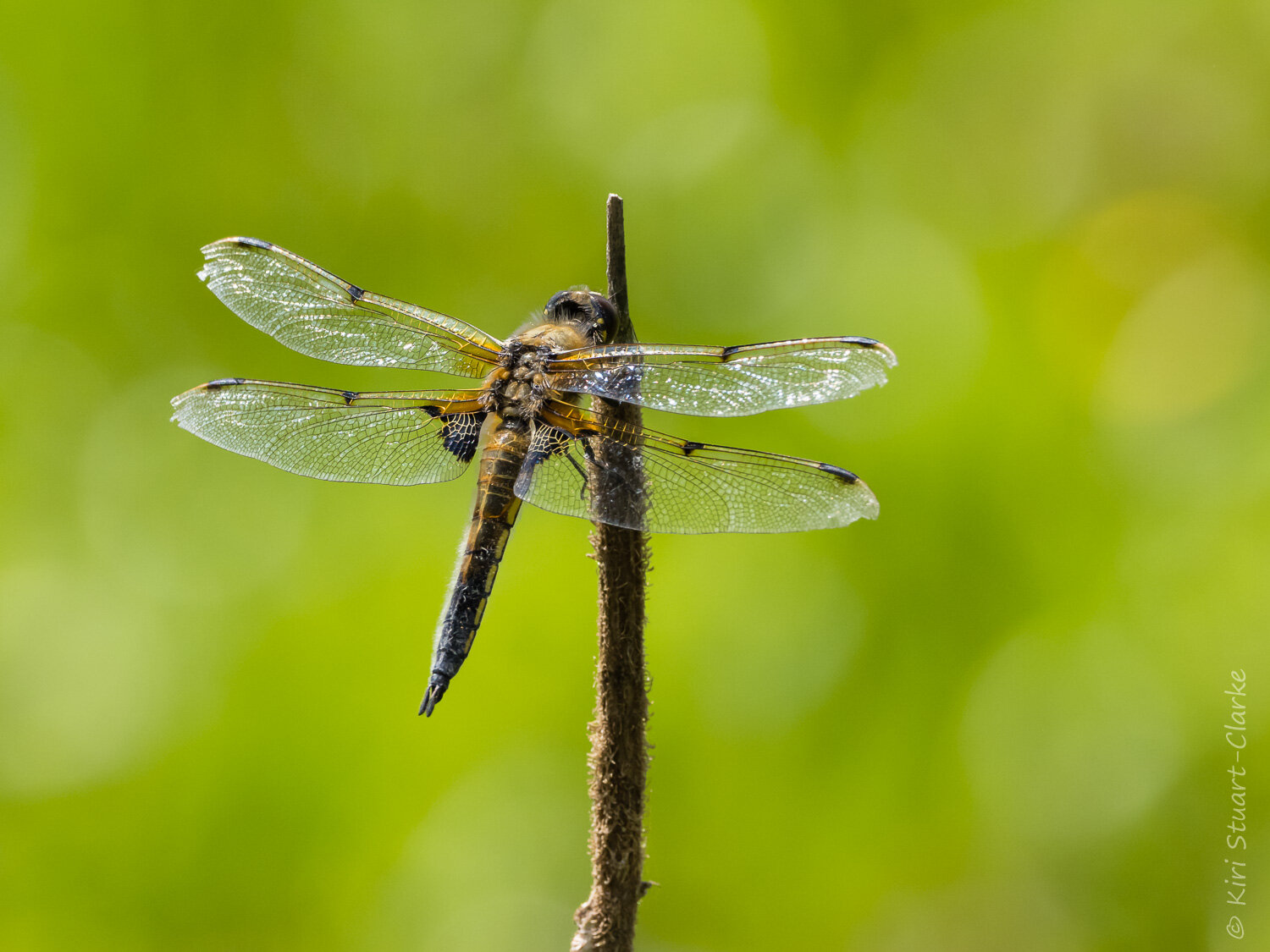
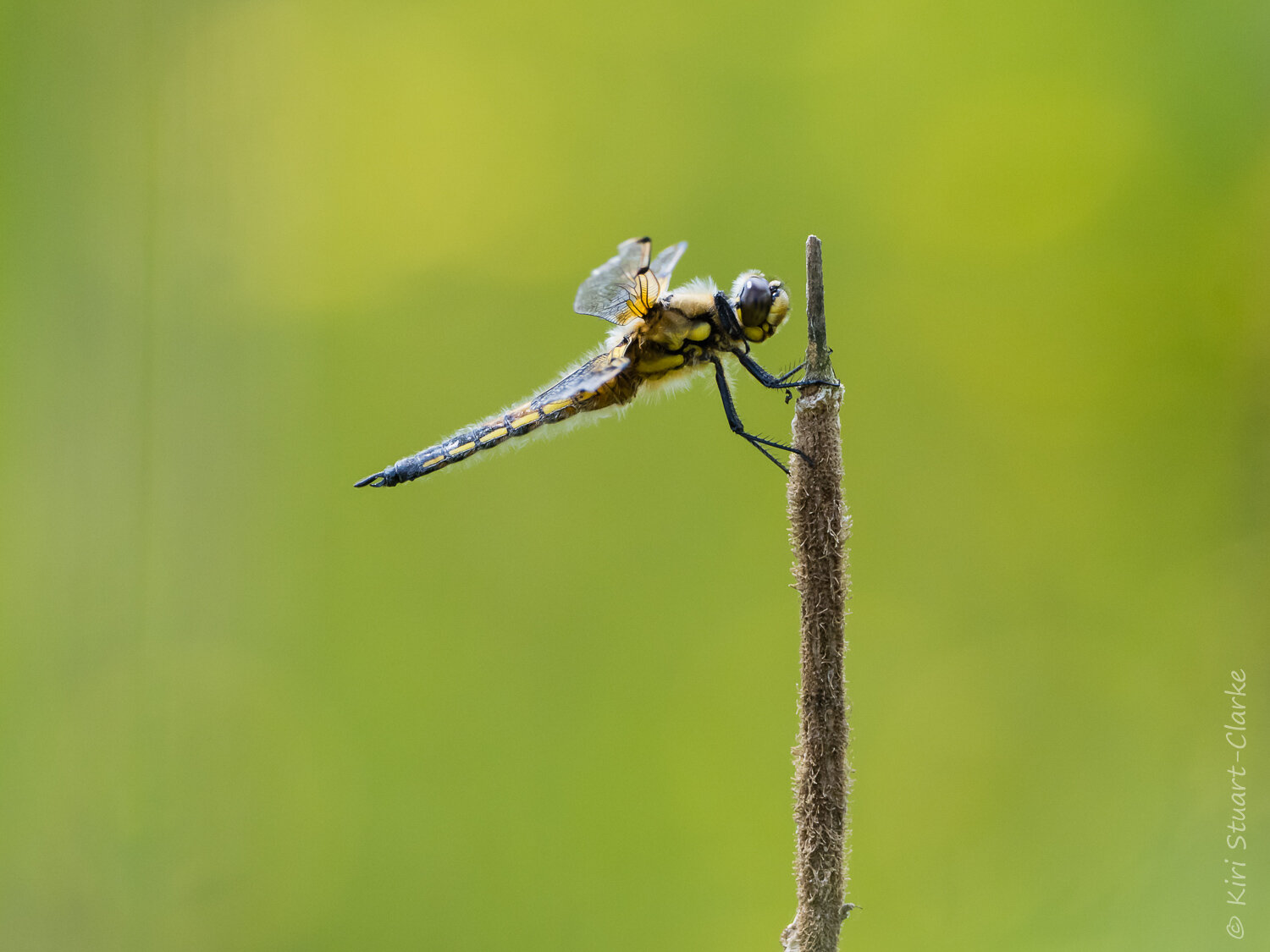
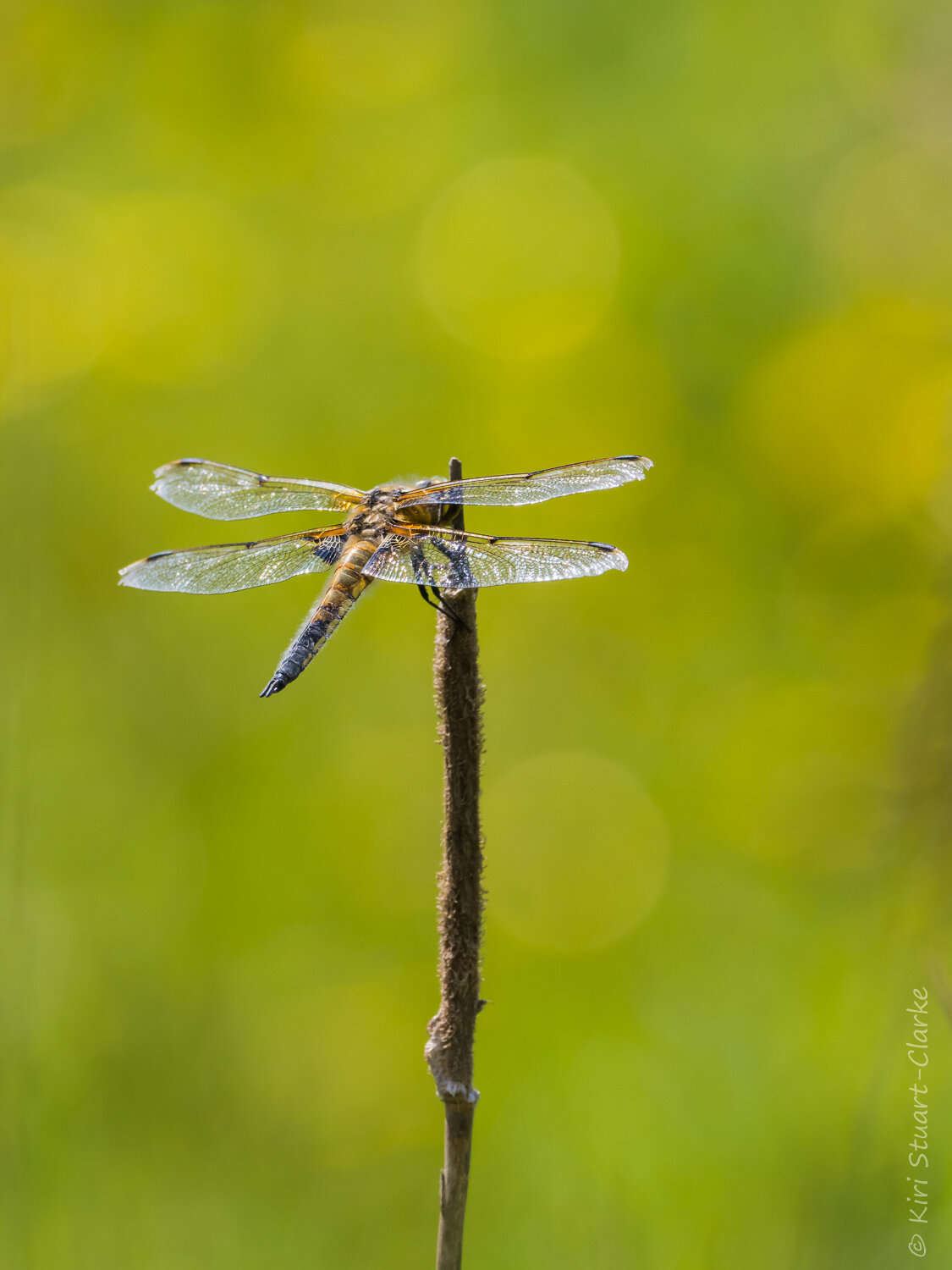
Four-spotted Chaser dragonfly perched on an old Reedmace stem, they seem to have colonised well.

Azure Blue damselfly, perched on Lesser Bird’s Foot Trefoil. They are our most numerous damselfly.

Cut-off Channel Butterflies

After one of the coolest, driest springs on record, May so far seems to have done a pretty good impression of what a typical April should be like. Our weather station recorded a mere 5.8mm of rain for the whole of April but by the 2nd of May we’d virtually equaled that at 5.6mm and a storm on the third day took us to 20mm!

At last on 18th May we saw some butterfly friendly weather and I took a trip down to the Cut-off Channel at Stoke Ferry to enjoy the springtime Grizzled Skippers, Small Heath, Brimstone and Orange-tip butterflies to be seen there.

Aside from a zooming Peacock, Small Heath were the first butterflies to show. As usual they chose awkward perching spots close to the ground amongst the undergrowth and leaf litter. I always forget how very small they are; the Common Daisy, Bellis perennis and Redstem Stork’s-bill, Erodium cicutariam, in this photo help to give some scale.

Small Heath butterfly, Coenonympha pamphilus, nectaring on Redstem Stork’s-bill, Erodium cicutariam

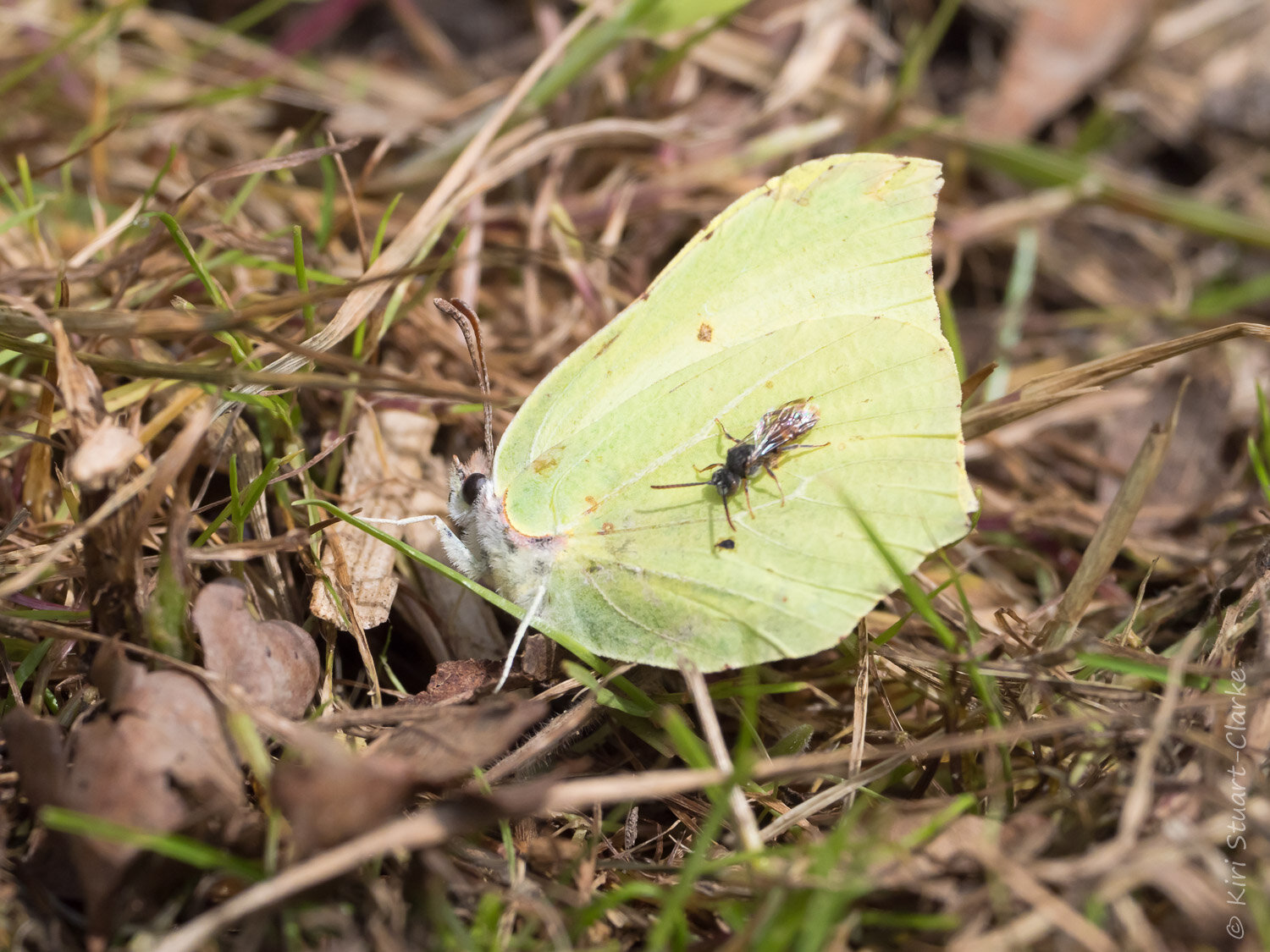
Next we enjoyed the sight of several Brimstones dancing on by. One briefly landed and its camouflage proved so convincing that a Nomad bee even landed on its closed leaf-mimicking wings for a rest!

A Brimstone, Gonepteryx rhamni, butterfly’s camouflage is so good that it fools a Nomad bee into landing!

A Brimstone, Gonepteryx rhamni, butterfly’s camouflage is so good that it fools a Nomad bee into landing!

Orange-tip butterflies were the most plentiful and confiding of the species we saw and I was lucky to spot two perched up mating, a first for me. They were perched on Hairy Rock-cress, Arabis hirsuta. Unfortunately for me, they weren’t entirely parallel and it was very breezy (the warmer than expected weather was brewing up a storm) so I couldn’t quite get both butterflies in focus simultaneously, but it was a lovely sight to behold nonetheless.

Mating pair of Orange-tip butterflies, Anthocharis cardamines perching on Hairy Rock-cress, Arabis hirsuta

The female Orange-tip butterfly, Anthocharis cardamines, has a green eye and mottled underside wings

Female Orange-tip butterfly, Anthocharis cardamines, basking on a grass seedhead with its wings open

We’d managed to spot just a few Grizzled Skippers along the way but they too were restless and camera shy. But just as we turned to head for home one landed on a buttercup for a few seconds, making a perfect end to a lovely canal-side walk. For more information about the history of the man-made cut off channel canal you can visit its wikipedia page

Grizzled Skipper butterfly, Pyrgus malvae, nectaring on a Buttercup

Grizzled Skipper butterfly, Pyrgus malvae, nectaring on a Buttercup

The Prelude to Spring

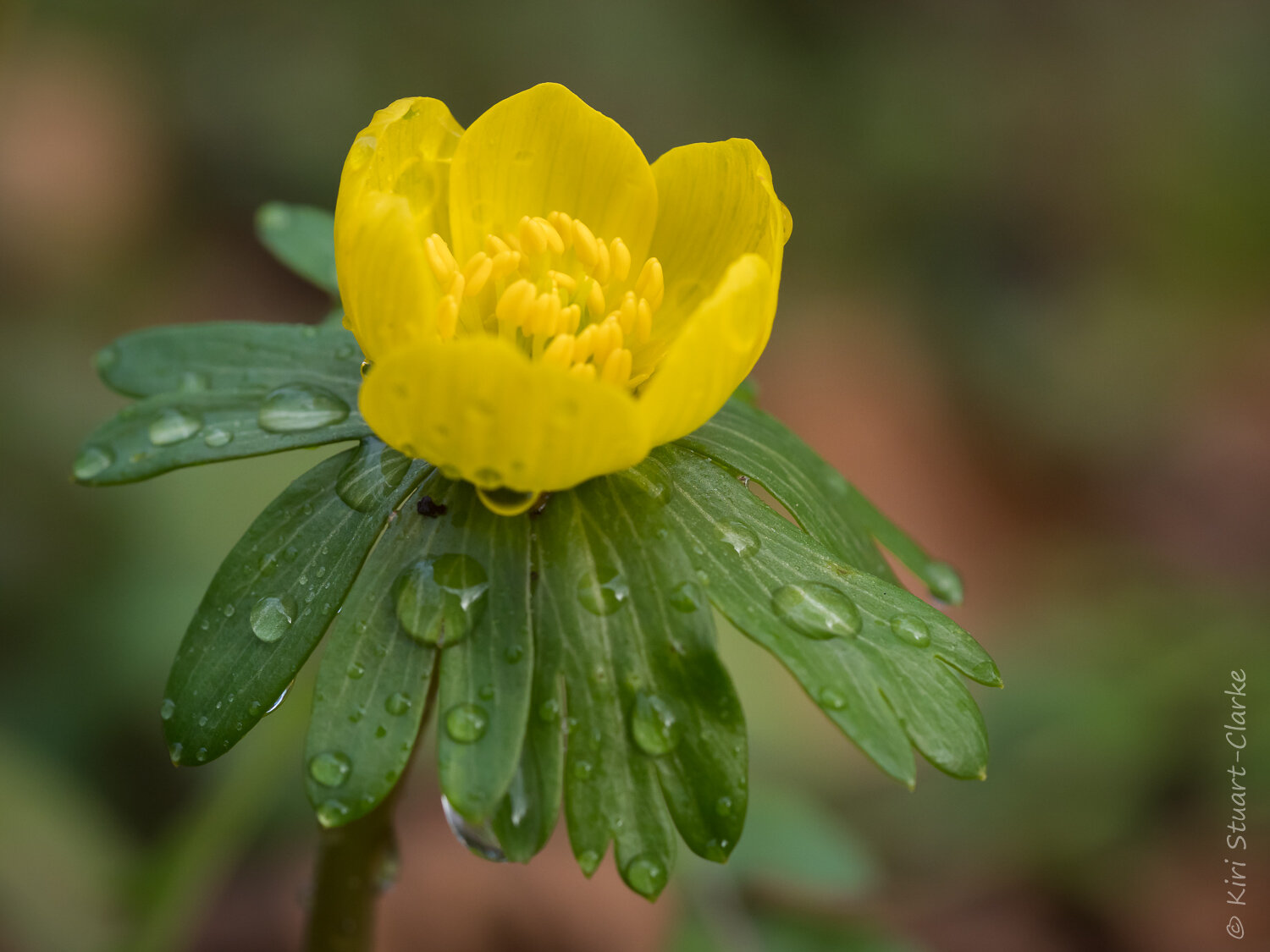
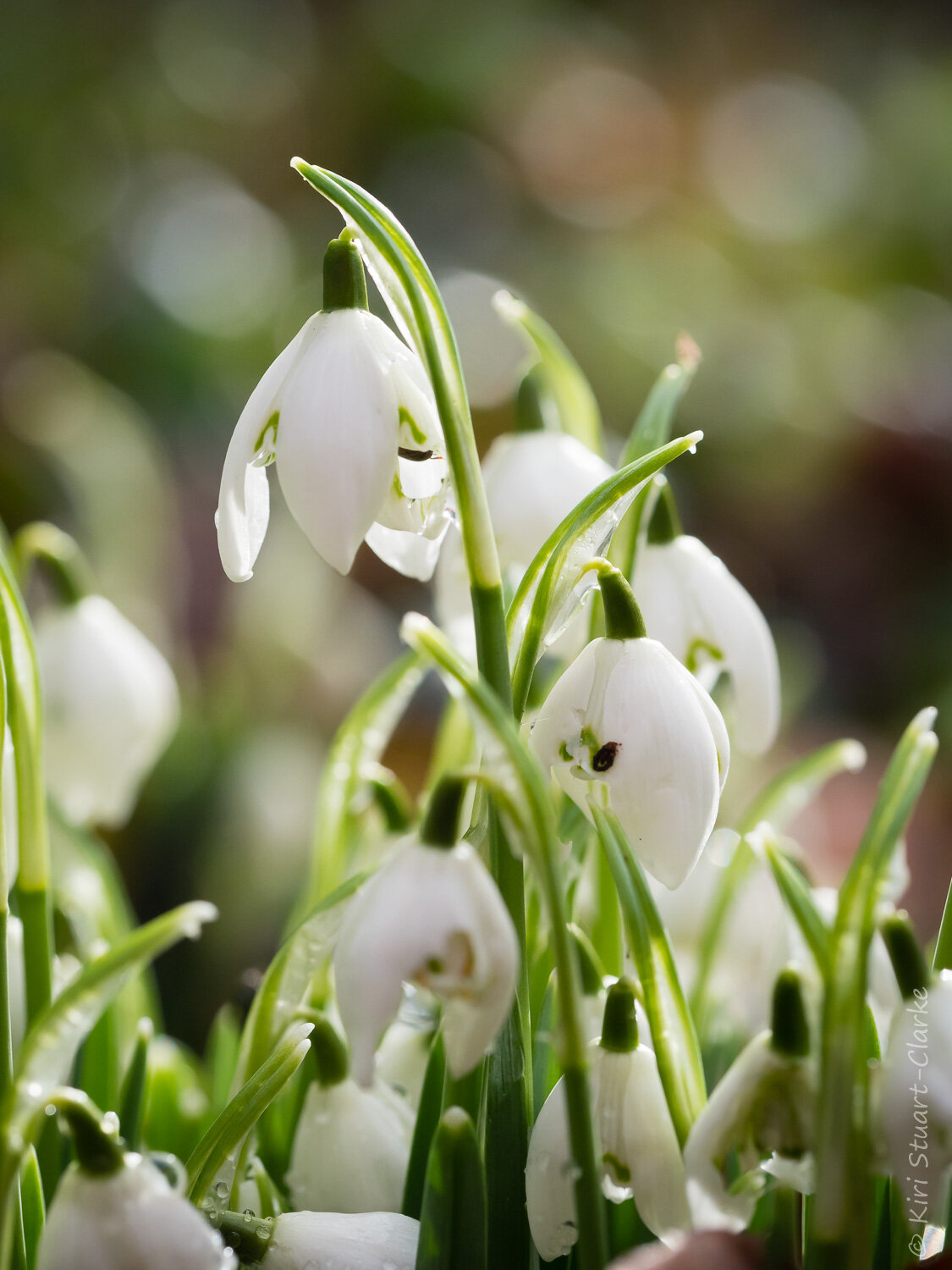
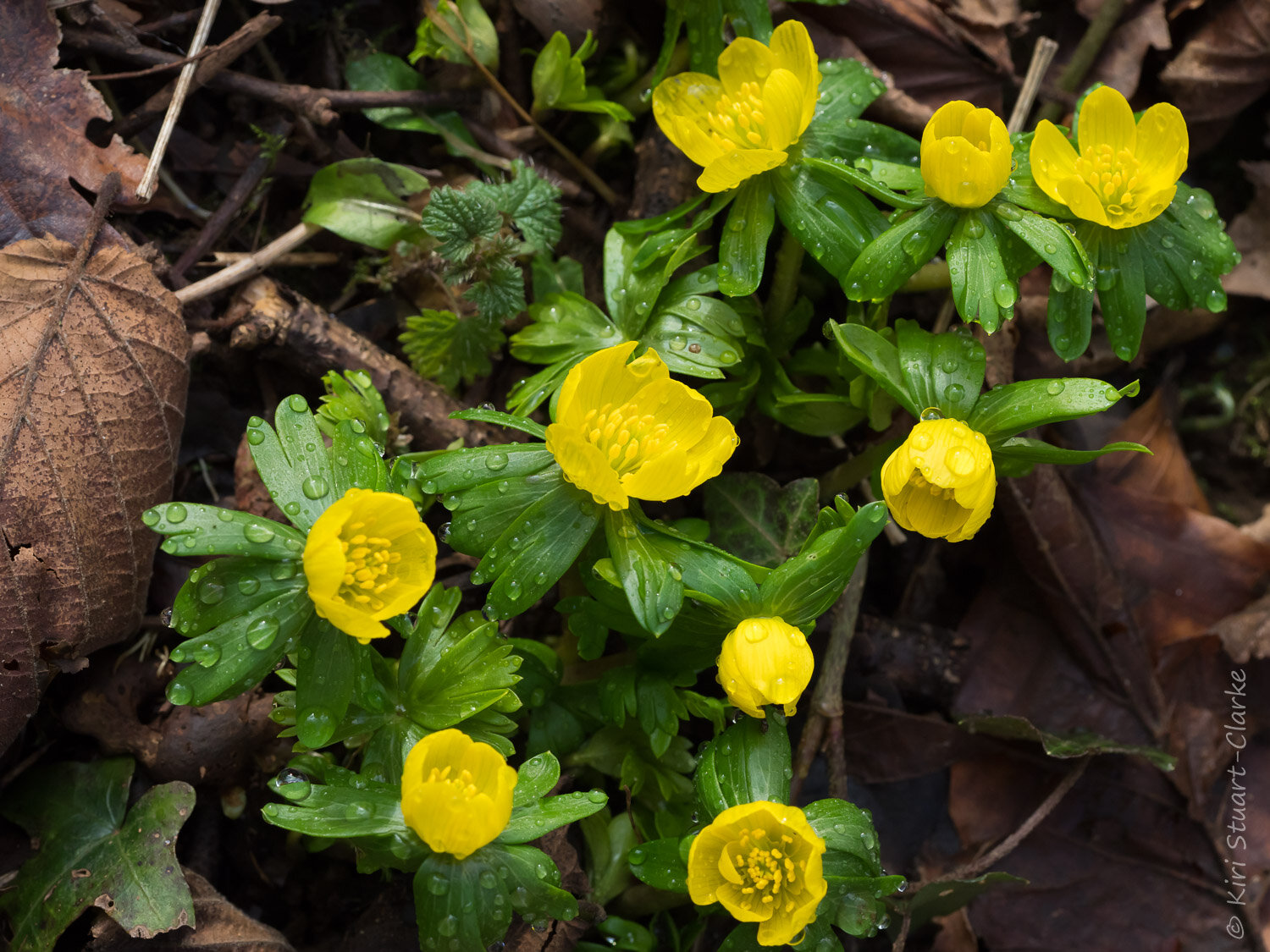
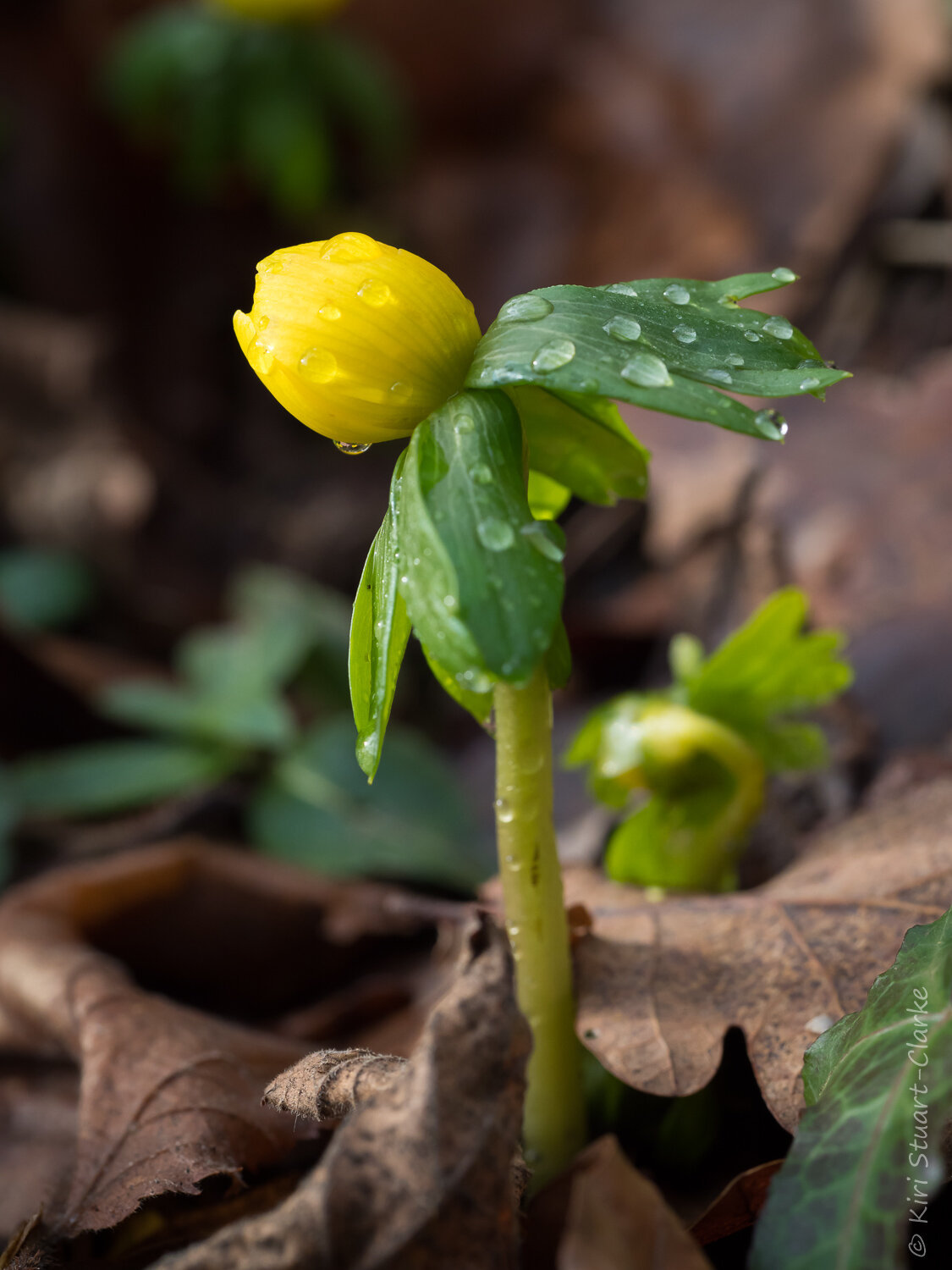
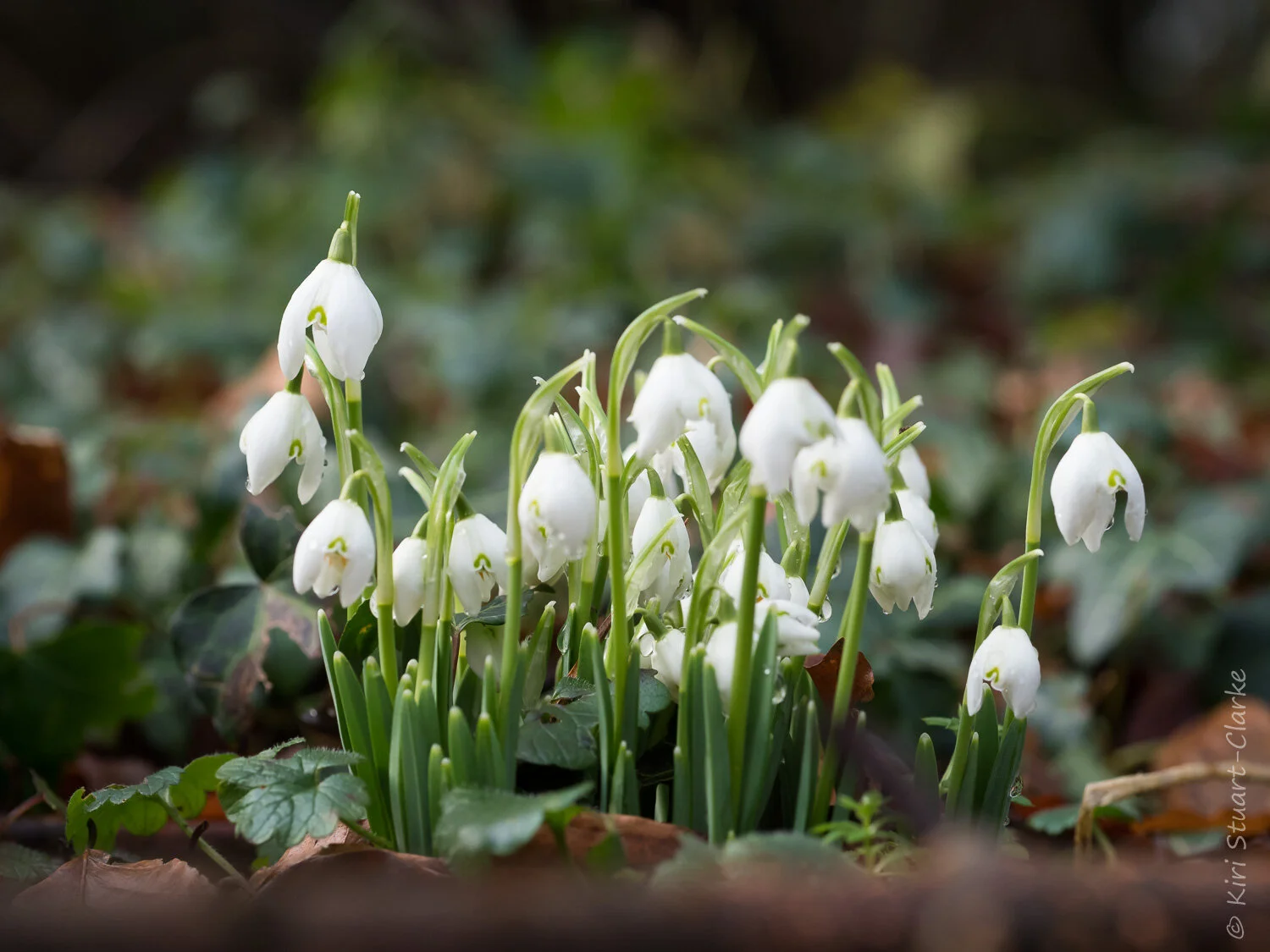
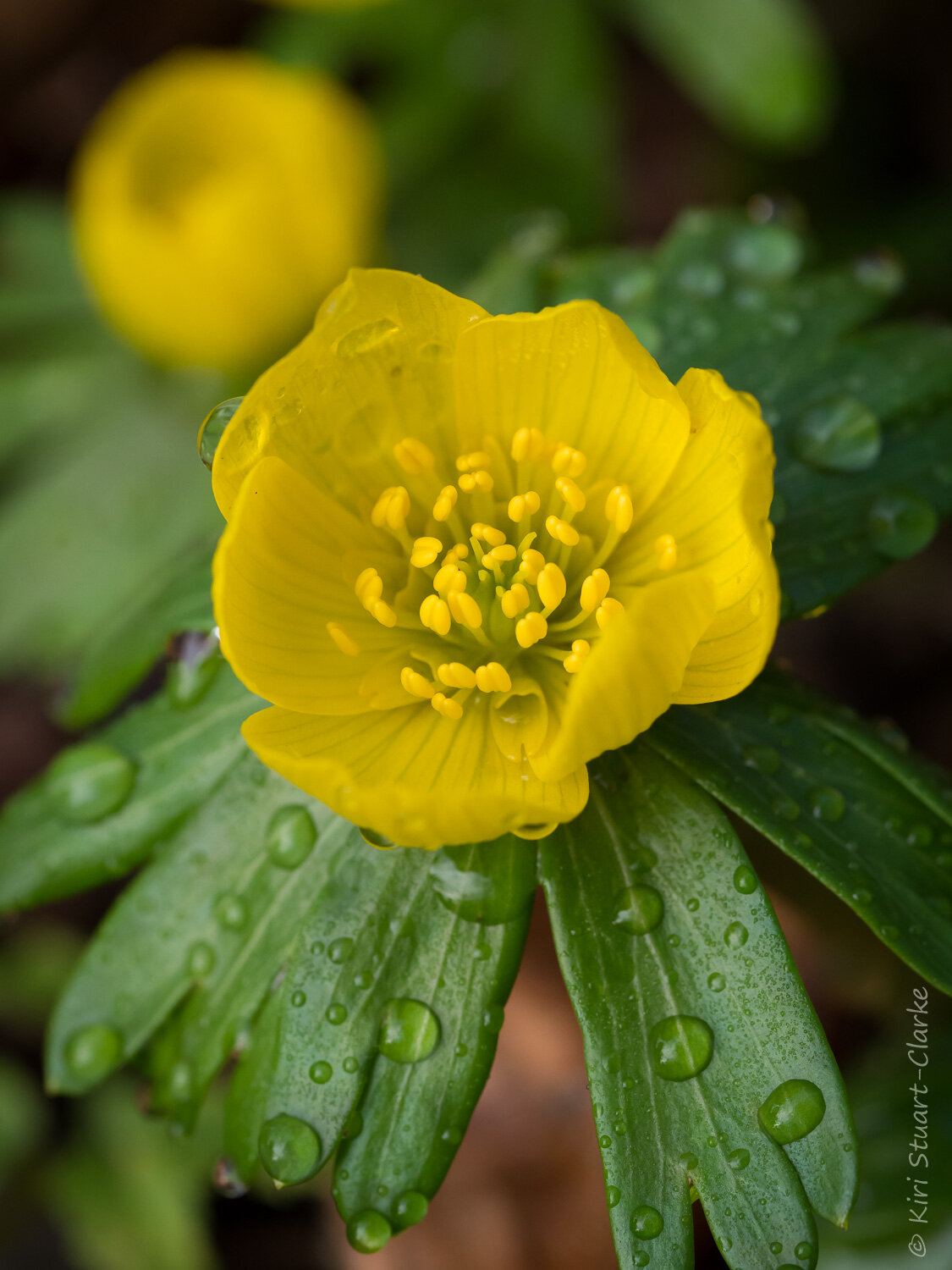
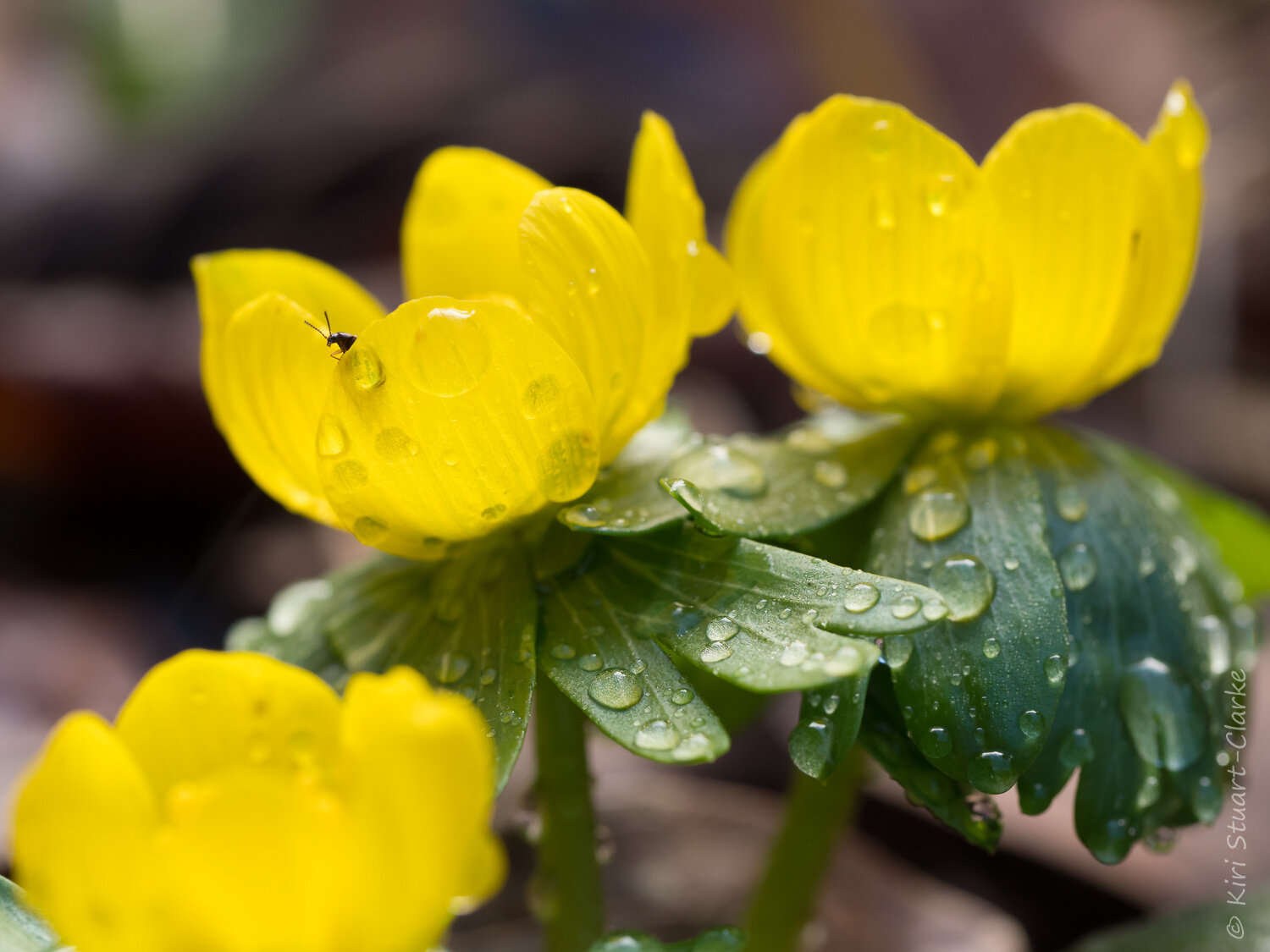
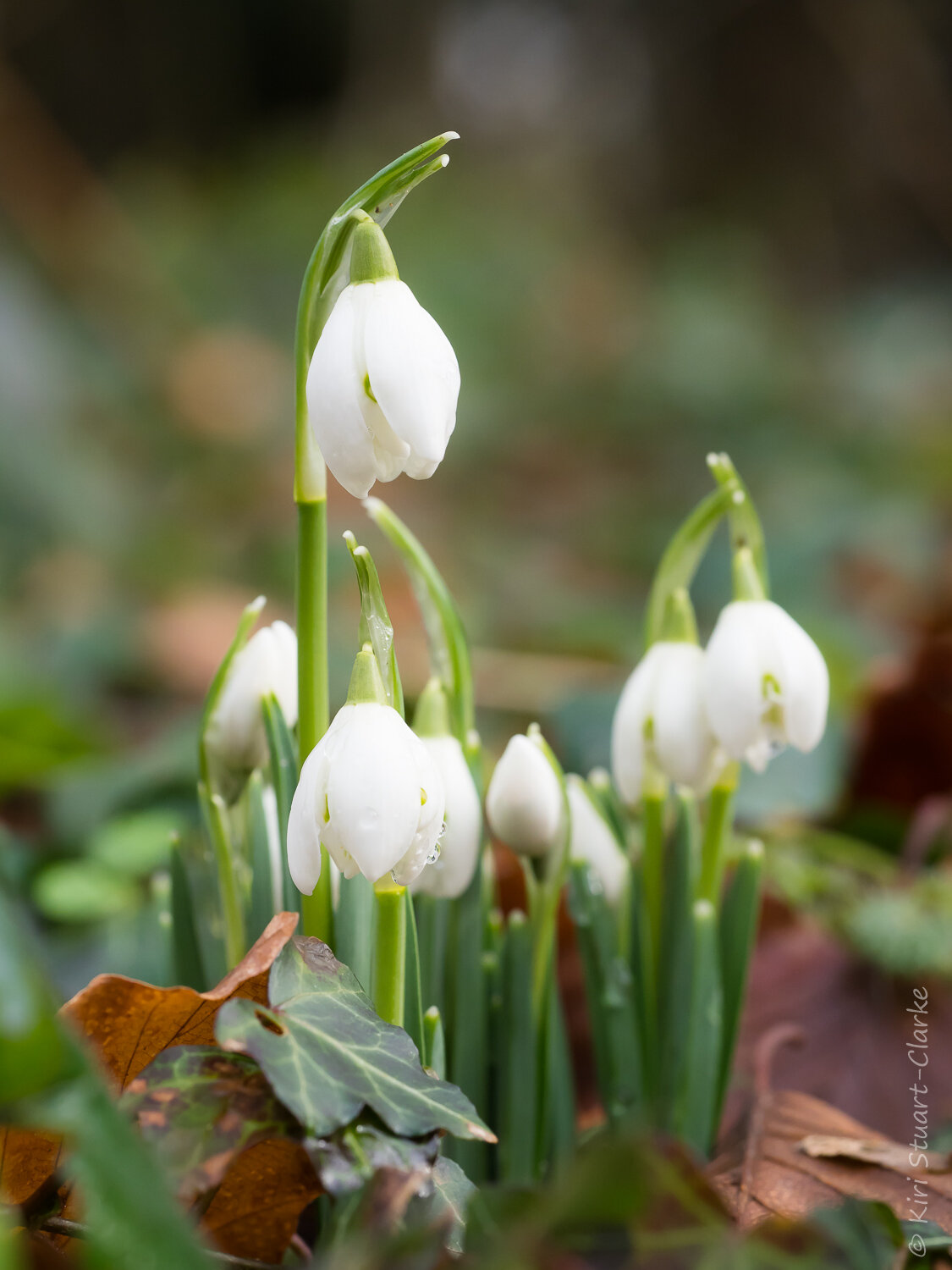
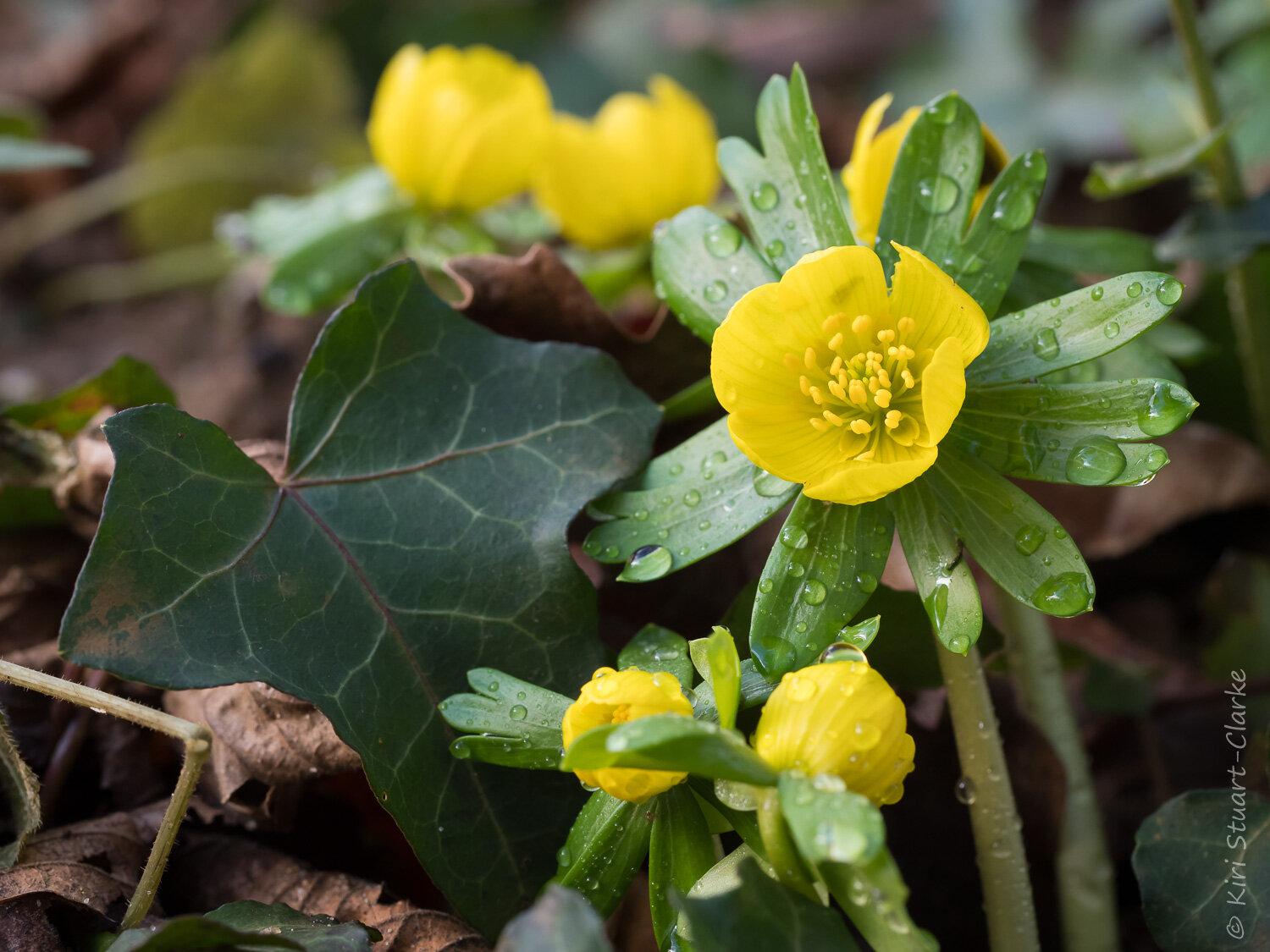
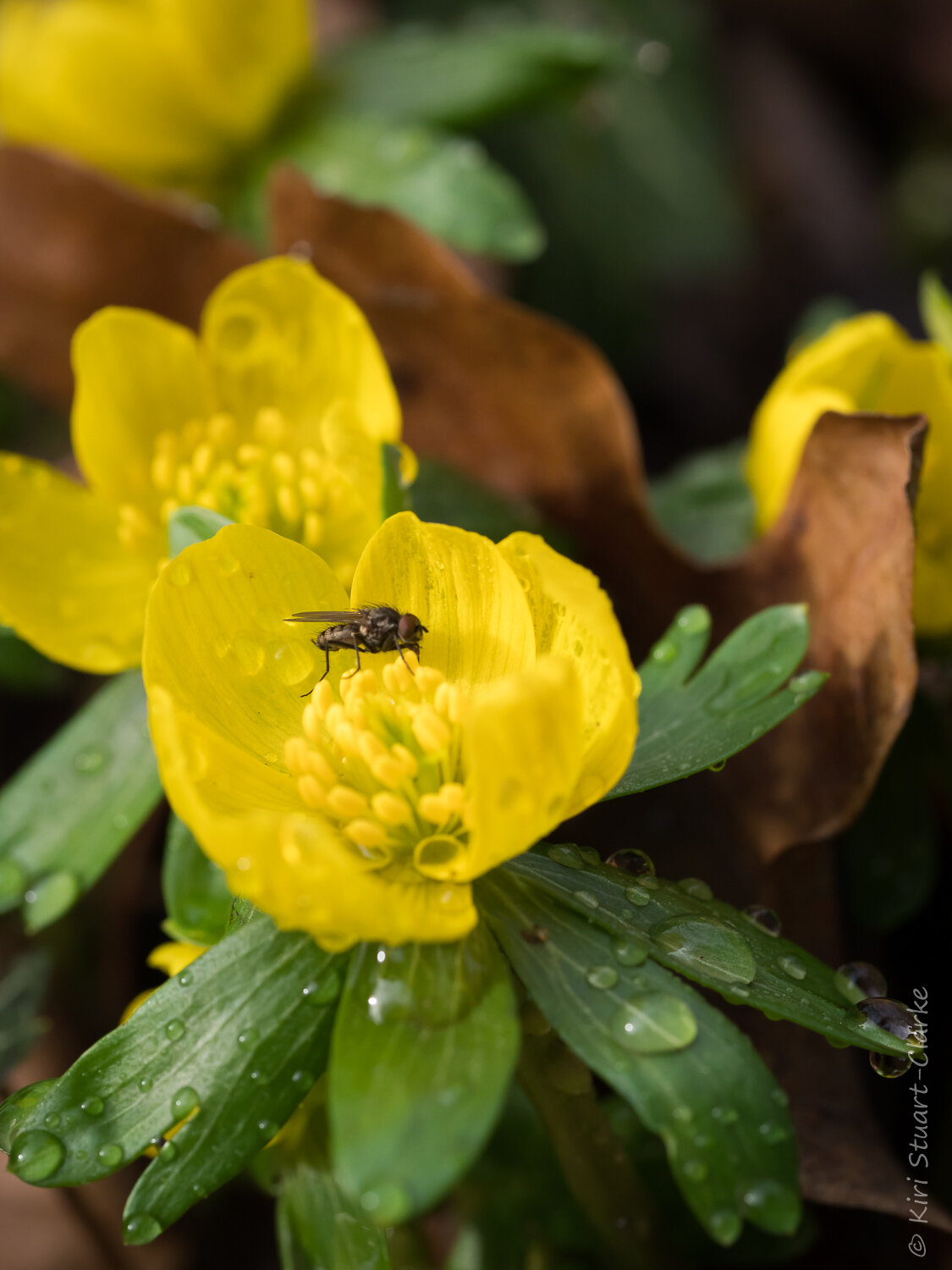
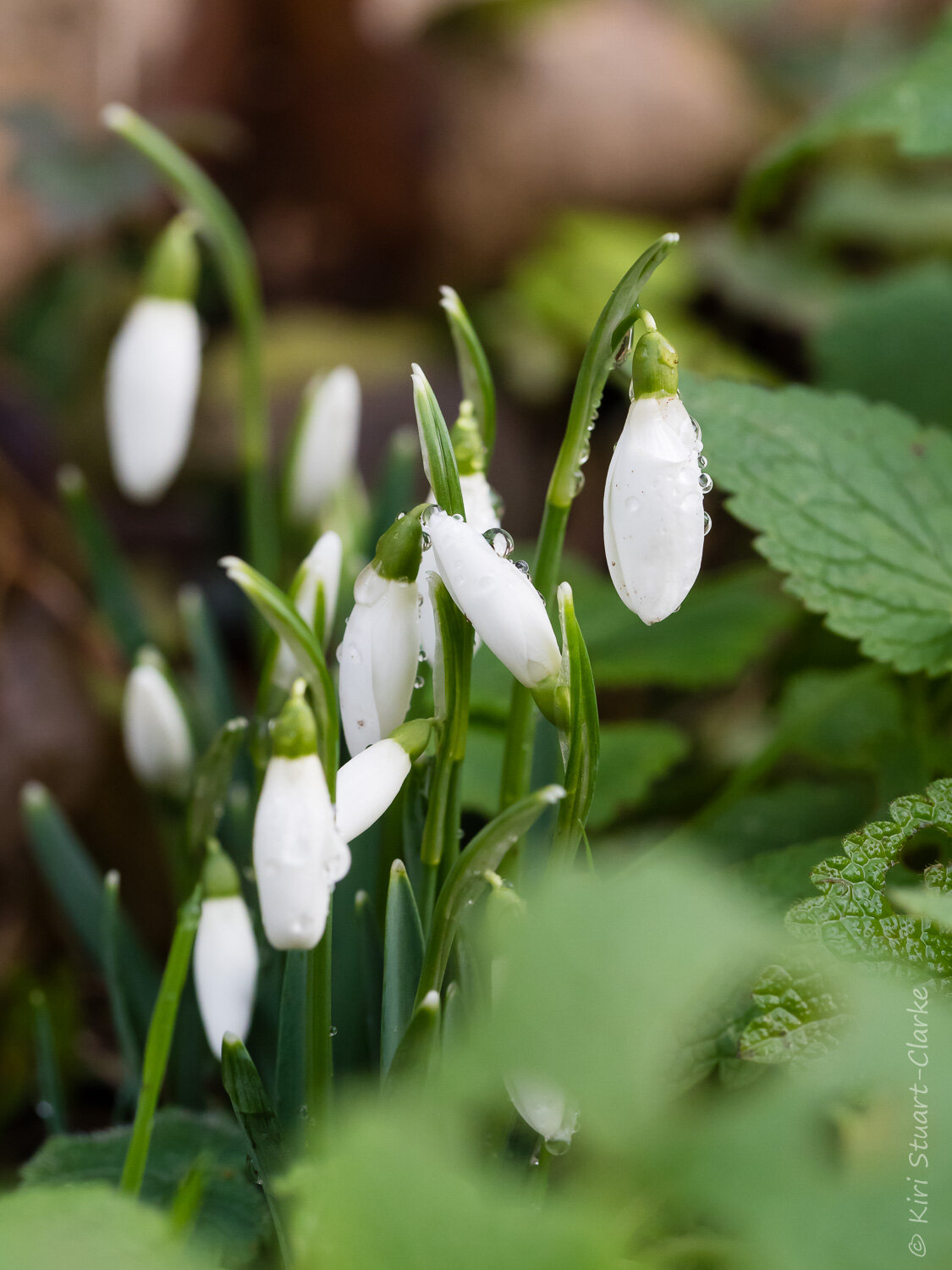
After a comparatively mild, wet early winter, albeit it intermingled with plenty of healthy frosts, our Winter Aconites and Snowdrops were out a week or two early this year and emerged in late January when usually they arent about until the first or second week in February. I’ve written about the fascinating history and wildlife gardening merits of each previously in the linked posts so will just show a few of this years local pilgrimage down the local lanes.

There were plenty insects using the flowers, highlighting just how important winter nectar and pollen sources are for our wildlife. I saw a young fly and a couple of different types of beetle, which I deliberately left in the shots, as well as a camera-shy ladybird hunting among the foliage, so keep an eye out for insects photobombing several of my photos!


Long-winged Cone-head

Long-winged Cone-heads use a liquid bubble to regulate their body temperature on hot days

Thanks to Pinocchio I’m embarrassed to admit I had always naively assumed there were as a rule green grasshoppers and beige crickets. Of course in the insect world its never that simple as this striking creature that took up residence on one of my bulrushes reminded me.

The first day I spotted her I assumed she had had a lucky escape from the pond and wound up on the Bullrush accidentally after leaping away from a predator. But I became curious when I saw her the second day running so started rummaging around in field guids to find out what she was and what she was carrying.

It transpired that she was a female Long-winged Cone-head, or Conocephalus discolor ( also Conocephalus fuscus). Cone-head sounds a bit like an insult but it refers to the angled shape of the species’ head. There are several species of Cone-heads in the Bush-cricket family, all of which are omnivorous, have long antennae and the females carry long blade-like ovipositors. Long-winged Cone-heads are distributed in Southern England and East Anglia living in dry and damp grasslands.

I wondered at first whether the droplet was perhaps an egg bubble but apparently Cone-heads blow out globules of liquid which is used as a means to keep cool and control body temperature on hot days. The females only have one brood a year and chew a hole in hollow stems of reeds or rush, then insert their eggs using their long ovipositor.

According to Wikipedia, high population densities can also encourage the development of an extra-long winged morph which has aided the species’ ability to expand into new favourable habitat as the climate has warmed.


Flight of the Hummingbird Hawk-moth

One dream I always had was to encourage one of our most delightful winged summer visitors - the Hummingbird Hawk-moth - into my wildlife garden.

I was first inspired after spotting this large and striking day-flying hawkmoth skilfully hovering as it nectared on the English Lavender beds in a cafe in the very next village not long after moving in and discovering what this large, checked, fast-hovering visitation had been.

To this end I diligently grew Red Valerian (which, unbelievably for Norfolk, died), Verbena Bonariensis and several types of Lavender and Lavandin all to no avail, no Humminbird visitation was forthcoming. Later, as I learned about their migrant lifecycle, I also introduced their caterpillar foodplant, Lady’s Bedstraw, Galium verum, into the garden to hopefully encourage the Spring arrivals to breed and perhaps spot one of the second late summer brood moths, still with no luck.

But this year things looked more promising. Even as 2019 was the Painted Lady year, it seemed that 2020 was all set to be the Hummingbird Hawk-moth year instead! With early favourable weather and winds encouraging many more than usual over the channel my chances were better than ever.

In early springtime while wandering along some nearby country lanes I was over the moon to spot one ovipositing on Cleavers, Galium aparine (that’s Sticky Bud to you and me) another Galium family caterpillar host plant. But still there were no springtime sightings in my garden itself. That only left the autumn second brood for a sighting in the most auspicious year for them yet. I began to lose hope. July and August came and went and I began to wonder if the arable surroundings outside my village were just too inhospitable for them.

And then, on 1st September, at the eleventh hour, a little like busses, from my armchair I spotted movement from the corner of my eye. I knew instantly! I leapt up to investigate, then did a double take - it was not just one, but TWO Hummingbird Hawk-moths I was seeing hovering among my patio pots! They busily nectared first on my Bonariensis, then my Lavender hedge (Hidcote strain) and then rapidly zoomed off to visit the the good old White Buddleia at the bottom of my garden. I was as excited as a whippet and dived off down the bottom of my garden at a similar speed to observe them. I certainly discovered just how very fast and restless their distinctive flight was but grabbed a record shot to celebrate my success, 7 long years in the making.

Hummingbird Hawk-moth, Macroglossum stellatarum, nectaring on my White Buddleia

Golden Blues

I always start to feel a little sad at this time of year as our now golden wlidflower meadow will soon be down for another year. But in the meantime I’ve been lucky to enjoy the golden evening sunlight falling on the last brood of Common Blue butterflies who like to bask on the west side of the meadow to catch the last rays of the sun before going to roost.

Despite all the odds, this late summer Common Blue butterfly generation seem to have had a reasonable year, which could bode well for next season. They are one of the Blue butterfly species that use ants to shelter and protect their late stage caterpillars and chyrsalis so perhaps that may be one reason why. Ants are just flourishing in our meadow and around its edge and quite sizeable ant mounds are now developing. It just serves as another reminder of how intericately joined up and interdependent all life actually is.

Early Berries and Blackbirds

This year my shady corner native shrubs have really come of age and for the first time I’ve enjoyed watching a Blackbird family go nuts for them, some fledgelings have learned to jump from the ground while others land somewhat precariously on the berry-laden limbs.

The shrubby corner includes Spindle, Euonymous europaeus, Wayfaring-tree, Viburnum lantana, a member of the honeysuckle family and several Dogwoods, Cornus sanguinea. Sadly a hazel hasn’t taken well but all the others are flourishing. Only the ripe black berries are being taking so I may get to watch for a while. The crop seems a little early to me perhaps due to the hot dry spring after such a very wet winter, only time will tell.

One thing’s for sure, no two seasons are ever alike, and that, in a nutshell, is the joy of wildlife gardening!

Fledgling Blackbird perched on berry-laden Wayfaring-tree

Fledgling Blackbird plucking ripe berries from a Wayfaring-tree, Viburnum lantana

Fledgling Blackbird with Dogwood berry in its mouth

Ripening Wayfaring-tree, Viburnum lantana, berries


Sparkling Wings, Spangly Light

The return of fine weather after a week of rain and low temperatures seemed to mark the season’s transition from late Spring into mid Summer. It also brought a flurry of emergences in and arrivals to my wildlife garden.

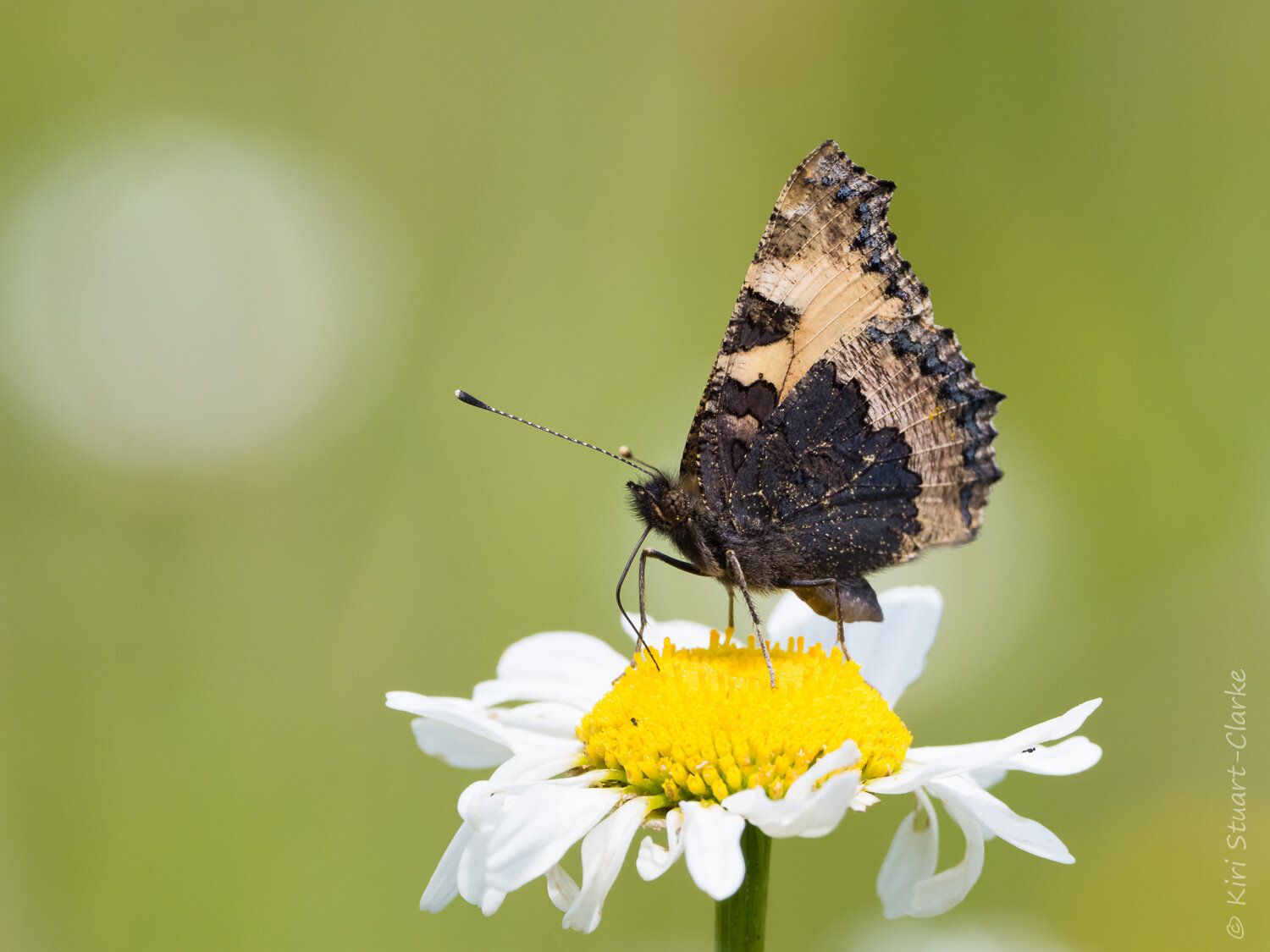
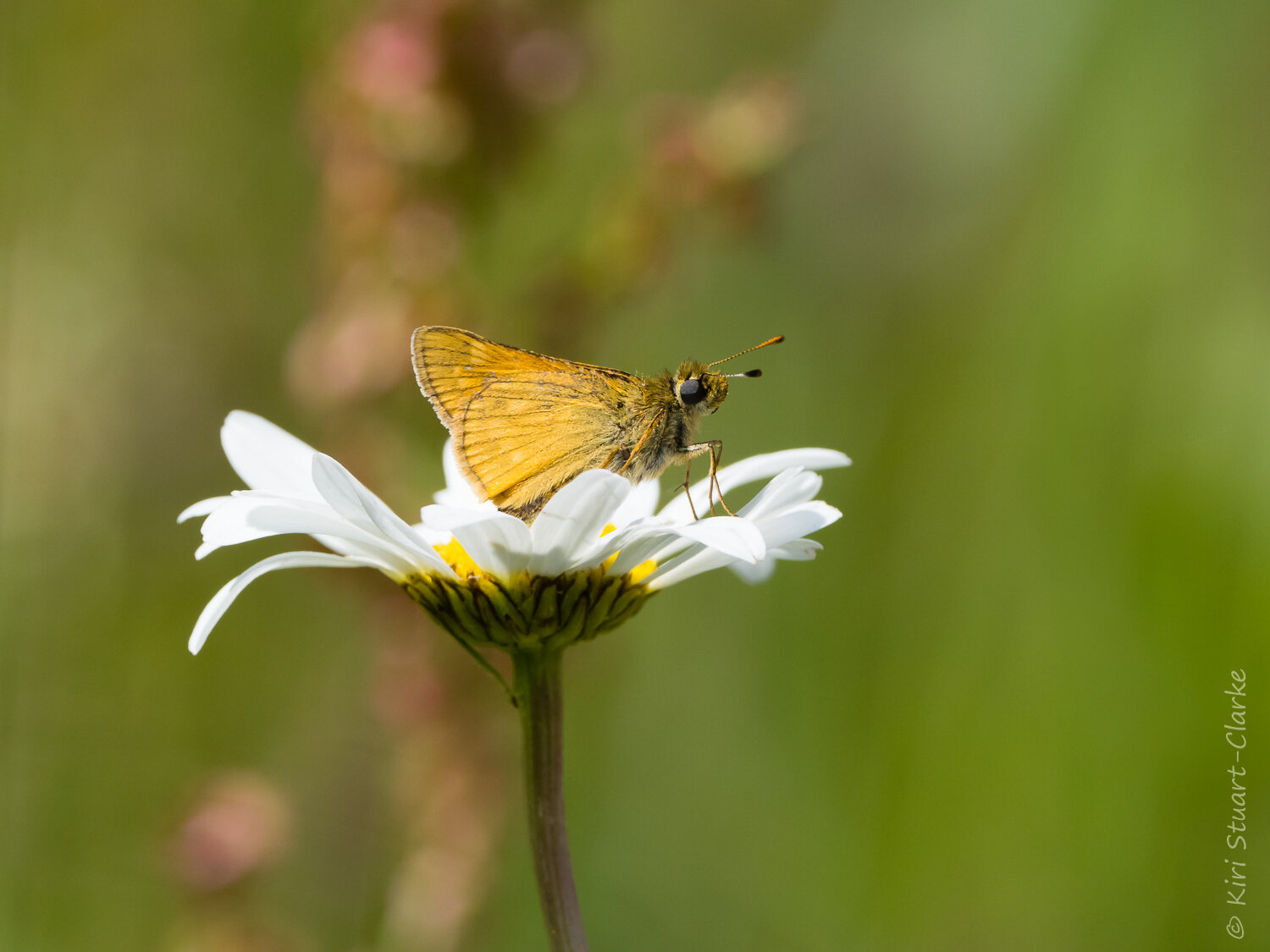
The Sparrows and Blackbirds have both fledged and are cheeping and chirring charmingly at their parents next to the feeders. As the nectar- and colour-rich magenta Knapweed starts to emerge en masse so do the meadow butterflies. The Meadow Brown and Large Skipper butterflies have emerged, the latter slightly battered so perhaps he had the misfortune to emerge right before the bad weather. In the old Rose garden Goldfinches are frequently landing on the Knapweed buds and a fresh Small Tortoiseshell has been enjoying the Oxeye daisies. A female Common Blue has finally materialised so hopefully my lonesome early male will find his partner.

The other arrival surprised me a little, I’ve been worrying about my pond both for its survival through the drought but also more broadly, due to the process of succession, the gradual growing in causes acidification from leaf matter and less free space. This affects which species can live in a freshwater pond and last year I saw reduced biodiversity the first time.

But my spirits lifted along with the water level thanks to the arrival of a beautiful Four-spotted Chaser dragonfly. He took up the territory for a day or two, on the second I watched as he mated twice with a passing female then hovered over her on protective sentry duty while she oviposited on leaves. Shortly after he moved on to try his luck elsewhere.

Planting for Holly Blue Butterflies

Holly Blue perched on Red Campion leaf

Why Plant Butterfly Host Plants

Wildlife and butterfly friendly gardening is a growing topic of interest and these days most gardeners enthusiastically plant nectar rich “pollinator friendly” planting schemes.

One easily overlooked requirement is to plant for the less glamorous caterpillar stage too, but without these essential host plants, butterflies cannot reproduce.

By catering for the entire butterfly lifecycle in this way you will support your local butterfly population as well as attracting more butterflies into your garden.

This article looks at which host plants to grow to support Holly Blue butterfly caterpillars.

Holly Blue Butterfly Habits

Holly Blues are our earliest blue butterfly on the wing and, being a species of hedgerows and woodland margins, is often also seen in parks and gardens. With the right caterpillar planting scheme, Holly Blues can readily be enticed in to become a resident in your garden.

They are distinguished from other blue butterflies by their beautiful pale powder blue undersides with black spots. They also tend to fly higher up amongst shrubs and trees than their grassland relatives, which prefer to fly low skipping along amongst the ground vegetation.

Given the butterfly’s name you’d be forgiven for thinking this one's a no-brainer for planting but there's more to it than meets the eye.

Holly Blue Butterfly Host Plants

First brood Holly Blues prefer female Holly bushes, Ilex aquifolium, as their caterpillar host plant

Preferred Caterpillar Host Plants

Holly Blues are dual brooded and each generation has its own favourite caterpillar host plant. Unsurprisingly, Holly, Ilex aquifolium is preferred by the spring generation of Holly Blues. Moreover, although the first brood butterflies will lay their eggs on male Holly bushes, they have a distinct preference for female Holly plants.

BUT Ivy, Hedera helix is the preferred caterpillar host plant of the second, summer brood of Holly Blue butterflies.

Second brood Holly Blues prefer Ivy, Hedera Helix, as their caterpillar host plant

So planting a combination of female Holly and Ivy together to accommodate both brood's caterpillars is the ideal Holly Blue butterfly planting scheme.

Alternative Caterpillar Host Plants

Holly Blues will also lay on a variety of other native hedge plants and shrubs. The spring brood of Holly Blues will use Spindle, Euonymus europaeus, Dogwood, Cornus spp. and Gorse, Ulex spp.

Native hedging supports both broods of the Holly Blue butterfly

In contrast alternative planting for the summer Holly Blue butterfly brood includes Bramble, Rubus fruticosus, Alder Buckthorn, Frangula alnus , Common Buckthorn Rhamnus cathartica, also known as Purging Buckthorn and Gorse, Ulex ssp..

Gorse is in fact the only plant used by both broods of Holly Blue, which admittedly isn’t always top of a gardeners list, however a mixed native hedge, hedgerow or shrubby mini-copse or corner containing Buckthorn, Dogwood and Spindle will serve both Holly Blue generatons well and sustain the entire annual cycle of Holly Blue butterflies.

Less Common Caterpillar Host Plants

The non-native, but attractive Snowberry bush, Symphoricarpos spp has also been used by the second Holly Blue brood.

General Caterpillar Host Planting Tips

Caterpillars usually rely on our native wildflowers for evolutionary reasons, which often may not be readily available in your local general garden centre and when they are, may not be the original native cultivar or pesticide free (even with a pollinator friendly label so do take care to ask). The good news is that there are plenty of excellent specialist native plant and seed stockists online, a few of which are listed below.

Plant your caterpillar host plants in generous clumps as butterflies are often quite picky about which stems they will use. Site them in or near a sunny sheltered position (depending on the plants’ requirements) ideally with a good, seasonally appropriate, source of nectar close by. Again native plants are often preferred, when using non-natives pick single flowered varieties rather than doubles as the latter produce less nectar.

Companion Holly Blue Butterfly Nectar Plants

Most of the Holly Blue’s caterpillar host plants serve as nectar sources and honeydew is also used, but these pretty wildflowers are also a good companion planting option:

Spring Brood

  • Ajuga reptans, Bugle

  • Ranunculus spp, Buttercup

  • Selene dioica, Red Campion

  • Myosotis spp., Forget-me-not

  • Anthriscus sylvestris, Cow Parsley

Summer Brood

  • Eupatorium cannabinum, Hemp Agrimony

  • Carduus spp. and Cirsium spp., Thistles

  • Mentha aquatica, Water Mint

  • Ligustrum vulgare, Wild Privet

British Native Wildflower Stockists

There are plenty of online specialist suppliers these days, do ask about pesticides and double check latin names before ordering.

  • Emorsgate - Wildflower seed specialists based in West Norfolk

  • Naturescape - Nottingham based native plant and seed specialist with a good selection of plugs


A Week of Two Blues

As the last week in what has been sunniest and driest May in England for over a century drew to a close, our now very parched garden yielded two beautiful blue insects. My first Common Blue butterfly of the season finally materialised, maybe benefitting from Bird’s-Foot Trefoil’s resilience to drought conditions and a male Broad-bodied Chaser dragonfly appeared, grateful perhaps that our pond hasn’t, quite, dried out!

Common Blue basking in late afternoon sunlight

Broad-bodied Chaser Dragonfly perching on a dried reed

Planting for Orange Tip Butterflies

Why Plant Butterfly Host Plants

Male Orange Tip Butterfly

Wildlife and butterfly friendly gardening is a growing topic of interest and these days most gardeners enthusiastically plant nectar-rich “pollinator friendly” planting schemes. One easily overlooked requirement is to plant for the less glamorous caterpillar stage too, but without these essential host plants, butterflies cannot reproduce.

By catering for the entire butterfly lifecycle in this way you will support your local butterfly population as well as attract more butterflies into your garden.

This article looks at what host plants to grow to support Orange Tip butterfly caterpillars.

Orange Tip Butterfly Habits

Orange Tips are springtime butterflies that can be seen in a range of habitats. They frequent marshes, river margins and damp meadows but can also be found skipping along hedgerows and visiting gardens, especially if there is a wildlife pond nearby. Orange Tips lay their eggs singly on a flower stem and usually avoid plants with pre-existing eggs so you need a generous patch of larval food plant to go round. The reason for this is that the caterpillars of this species are cannibalistic.

Alliaria petiolata, Garlic Mustard or hedge Garlic

Orange Tip Butterfly Host Plants

Preferred Caterpillar Host Plants

Orange Tip’s favourite host plant is Cardamine pratensis, Cuckoo Flower or Lady’s Smock, which loves boggy areas, damp meadows and pond margins. In fact the term “pratensis” means meadow in latin.

Alternative Caterpillar Host Plants

If like me, you have a drier garden Orange Tips will also lay their eggs on Hedge Garlic/Garlic Mustard (Alliaria petiolata) which is often seen along the side of country lanes and hedgerows. Do be careful and check the latin name when ordering this caterpillar plant as several different plants share these common names.

Less Common Caterpillar Host Plants

Cardamine pratensis or Cuckooflower is the Orange Tip’s favourite host plant

Sisymbrium officinale - Hedge Mustard, Barbarea vulgaris - Winter-cress, Brassica rapa - Turnip, Sinapis avensis - Charlock, Cardamine amara - Large Bitter-cress and Arbis hirsuta Hairy Rock-cress. Although Orange Tips will lay their eggs on Lunaria annua - Honesty and Hesperis matronalis - Dame's-violet garden plants, caterpillar survival is believed to be quite poor on these so these are best avoided except as accompanying nectar sources.

General Caterpillar Host Planting Tips

Caterpillars usually rely on our native wildflowers for evolutionary reasons, which often may not be readily purchased in your local general garden centre and when they are, may not be the right cultivar or pesticide free (even with a pollinator friendly label so do take care to ask). The good news is that there are plenty of excellent specialist native plant and seed stockist online, a few of which are listed below.

Plant your caterpillar plants in generous clumps as butterflies are often quite picky about which stems they will use. Site them in or near a sunny sheltered position (depending on the plants requirements) ideally with a good, seasonally appropriate, source of nectar close by. Again native plants are often preferred, when using non-natives pick single varieties rather than doubles as the latter have less nectar.

Companion Orange Tip Butterfly Nectar Plants

Most of the Orange Tip’s caterpillar host plants serve as nectar sources, but these pretty springtime wildflowers are also an option:

  • Lychnis flos-cuculi, Ragged Robin

  • Selene dioica, Red Campion

  • Stellaria holostea, Greater Stitchwort

  • Anthriscus sylvestris, Cow parsley

  • Lunaria annua, Honesty

  • Hesperis matronalis, Dame's-violet

British Native Wildflower Stockists

There are plenty of online specialist suppliers these days, do ask about pesticides and double check latin names before ordering.

  • Emorsgate - Wildflower seed specialists based in Norfolk

  • Naturescape - Nottingham based native plant and seed specialist with a good selection of plugs


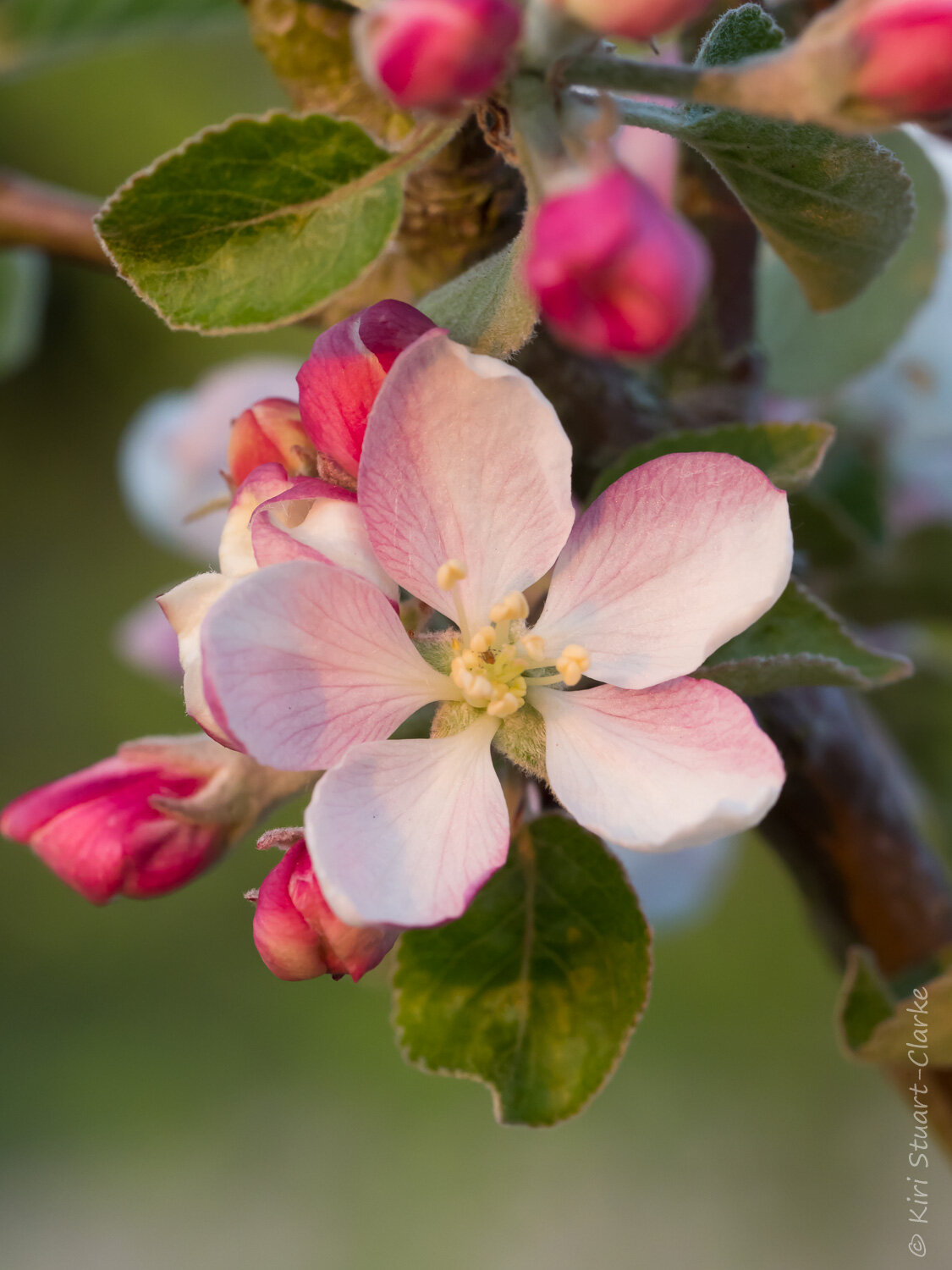
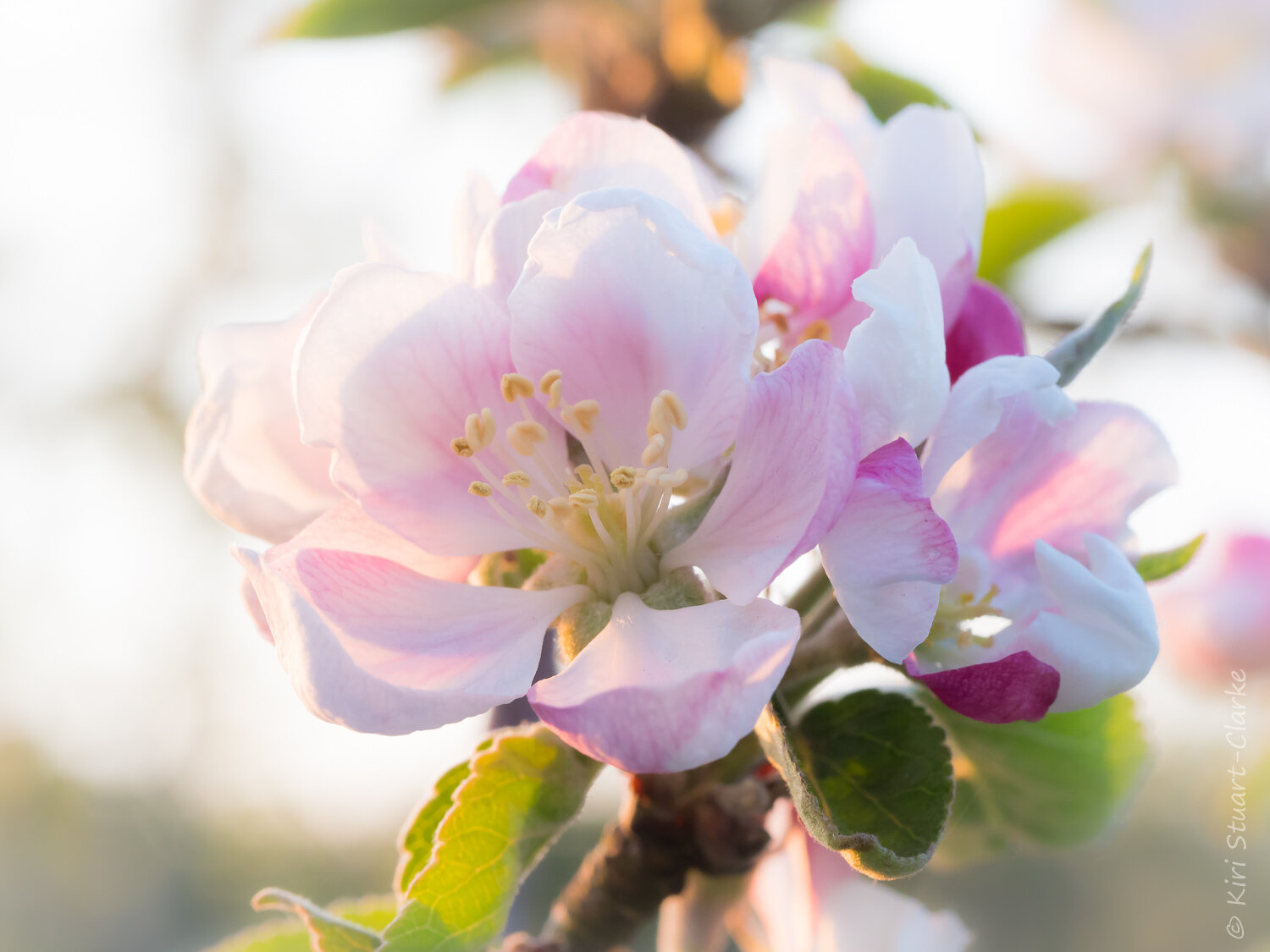
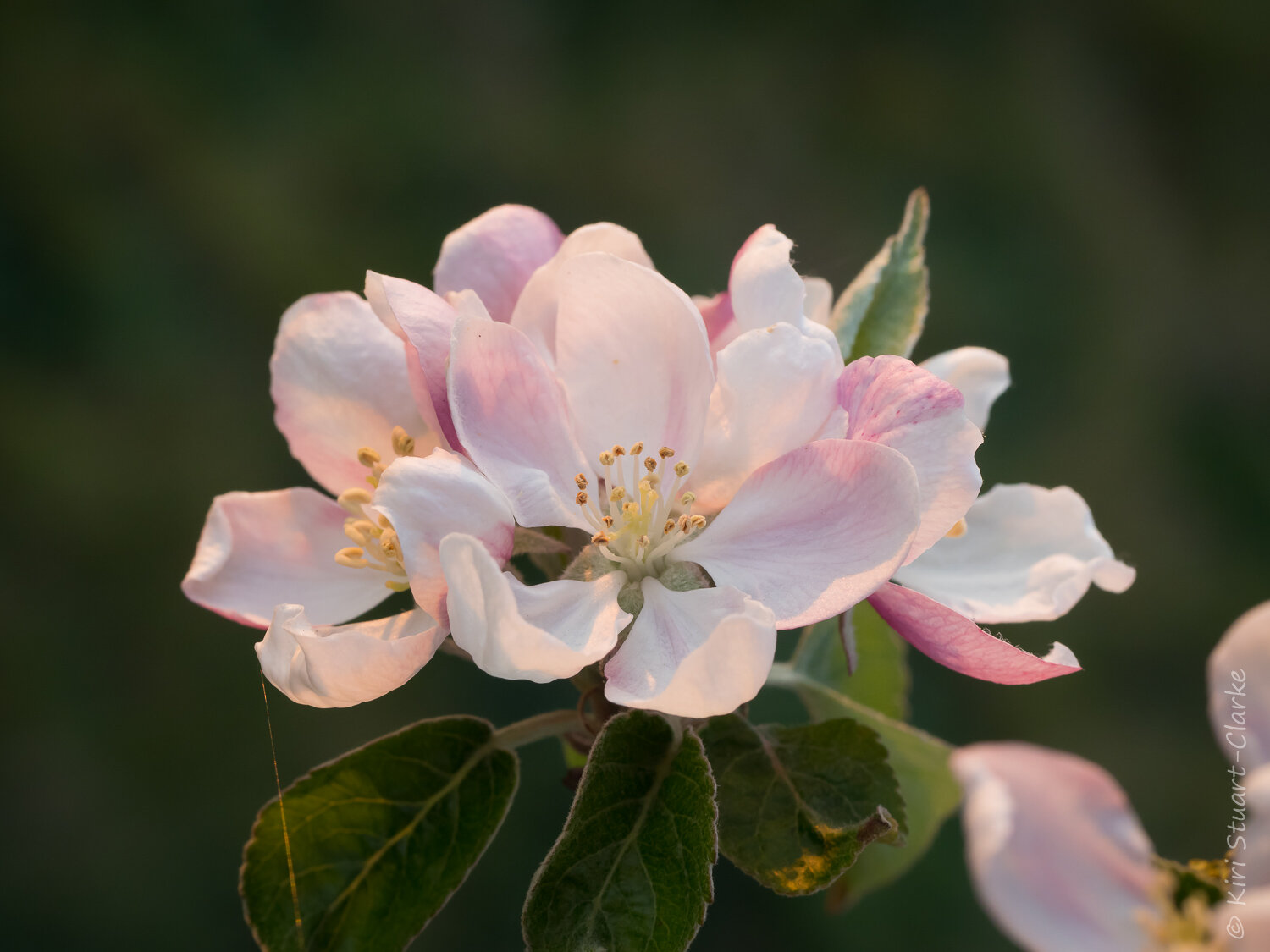
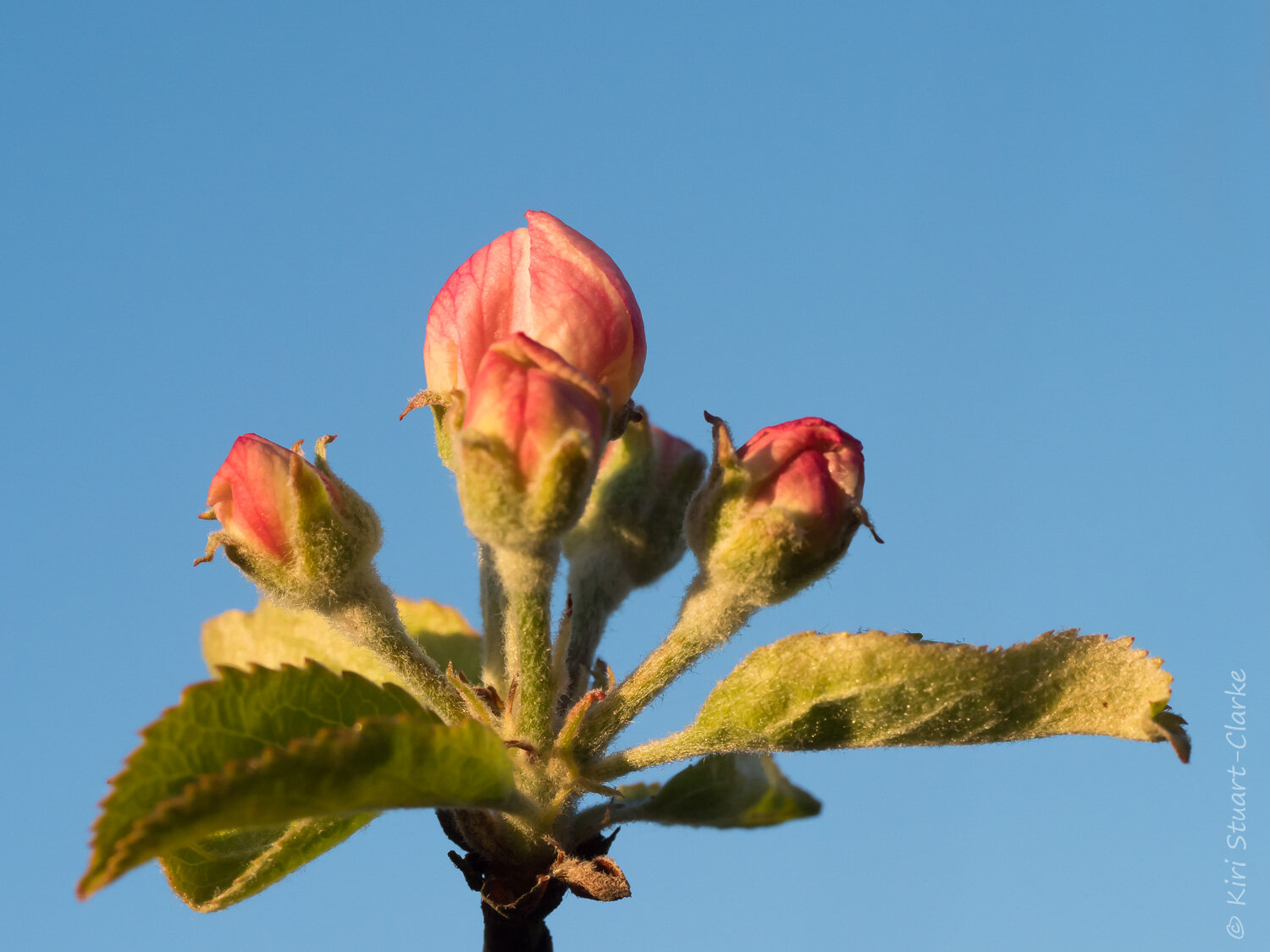
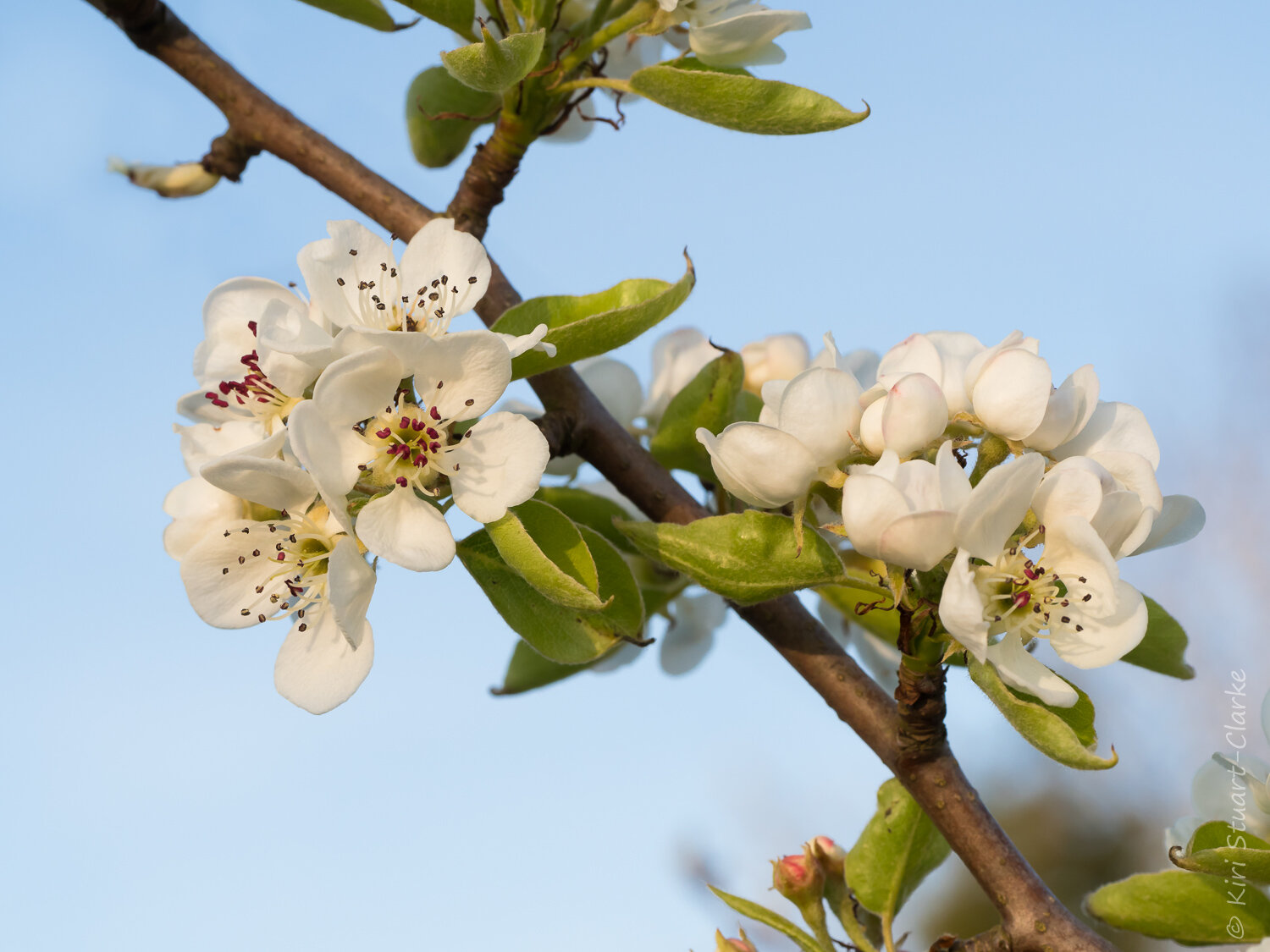
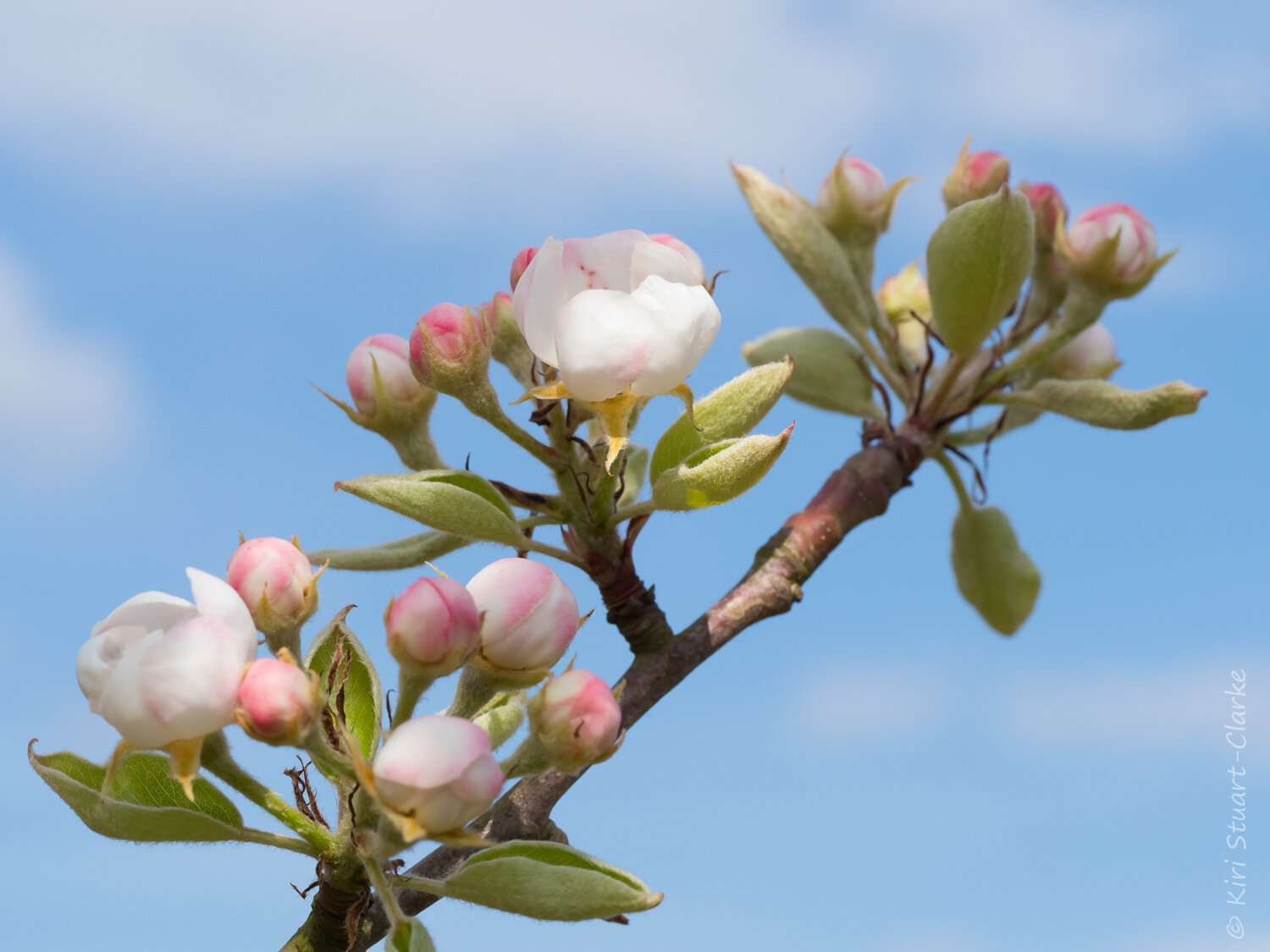
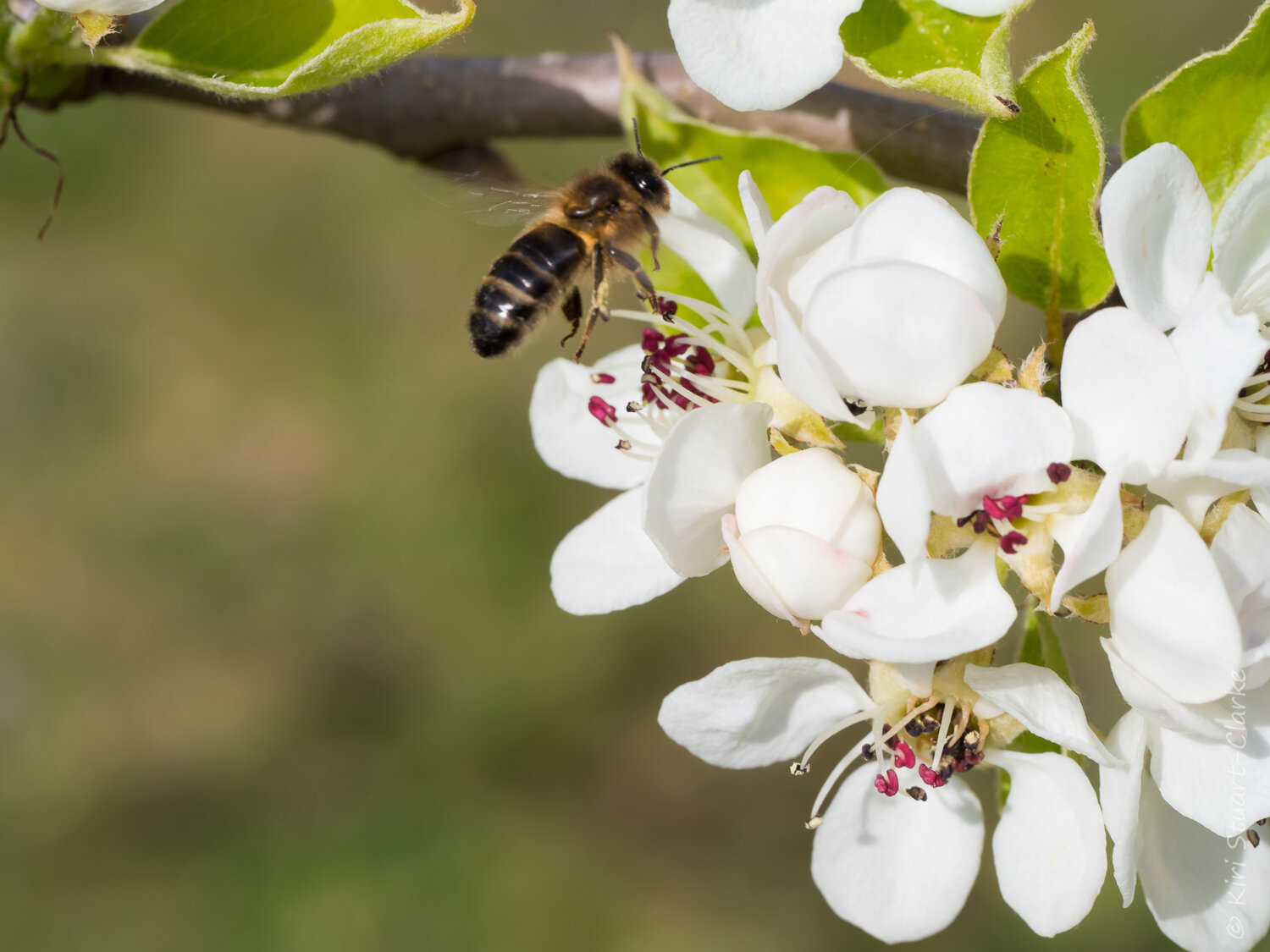
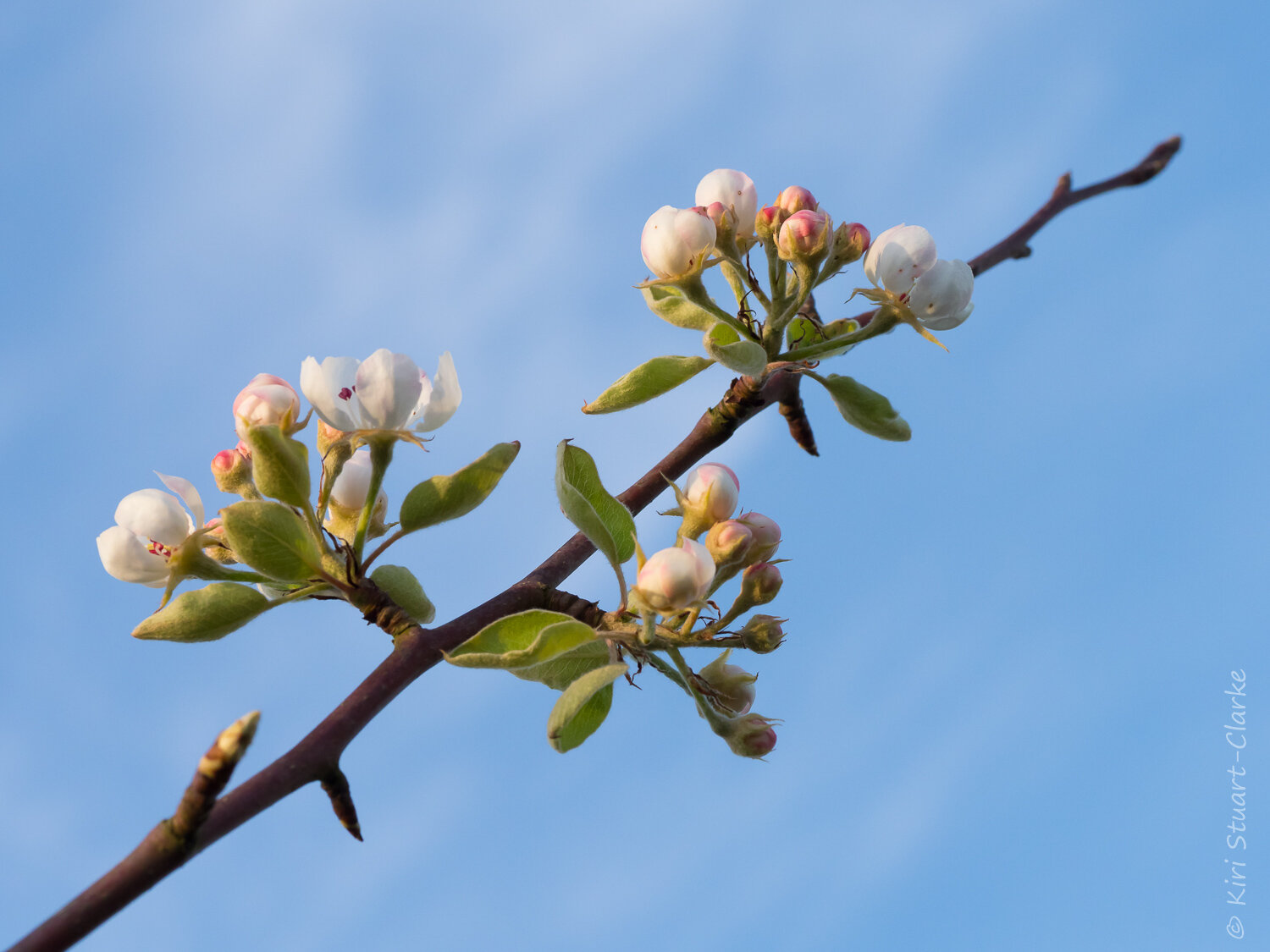
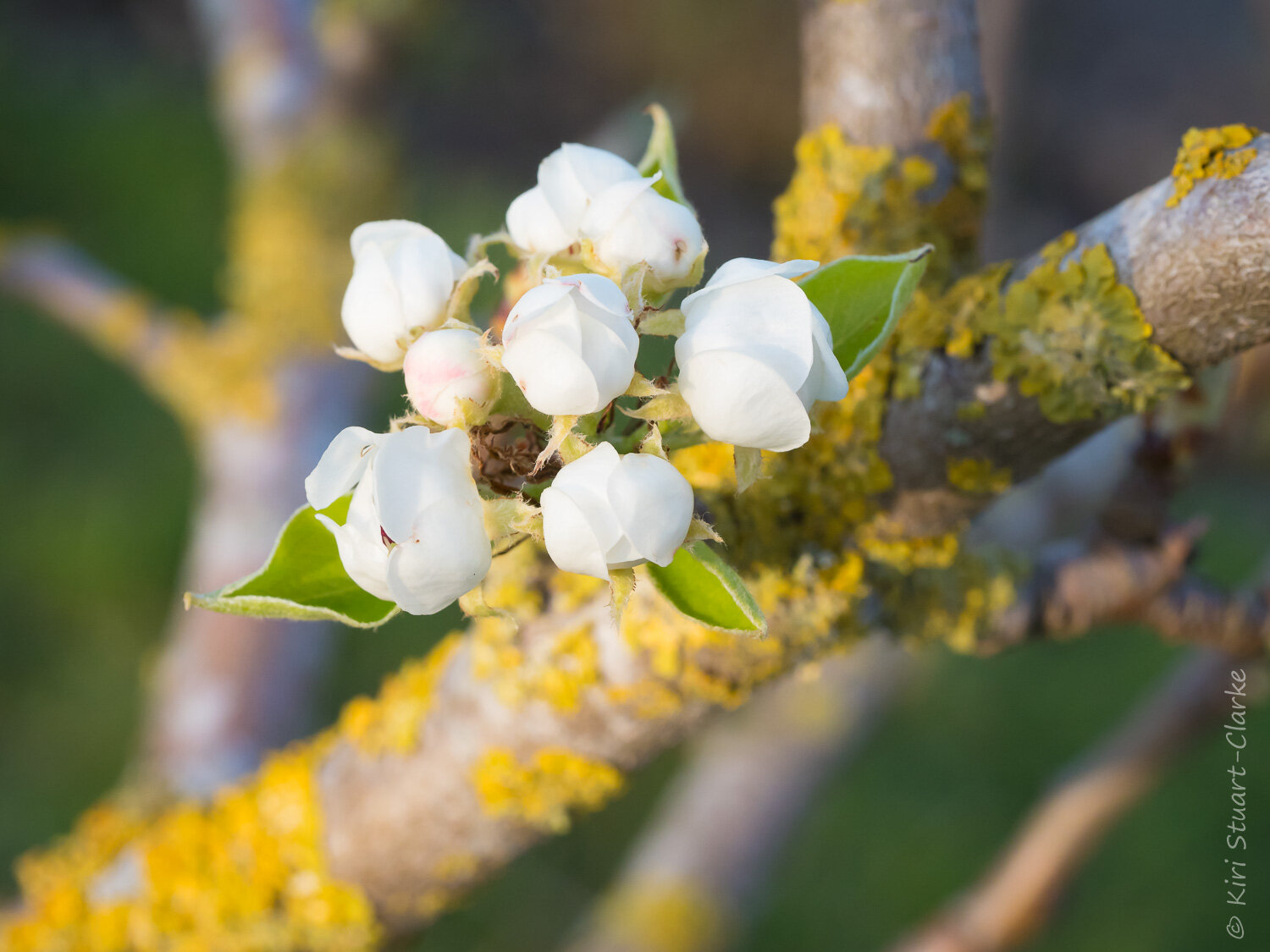
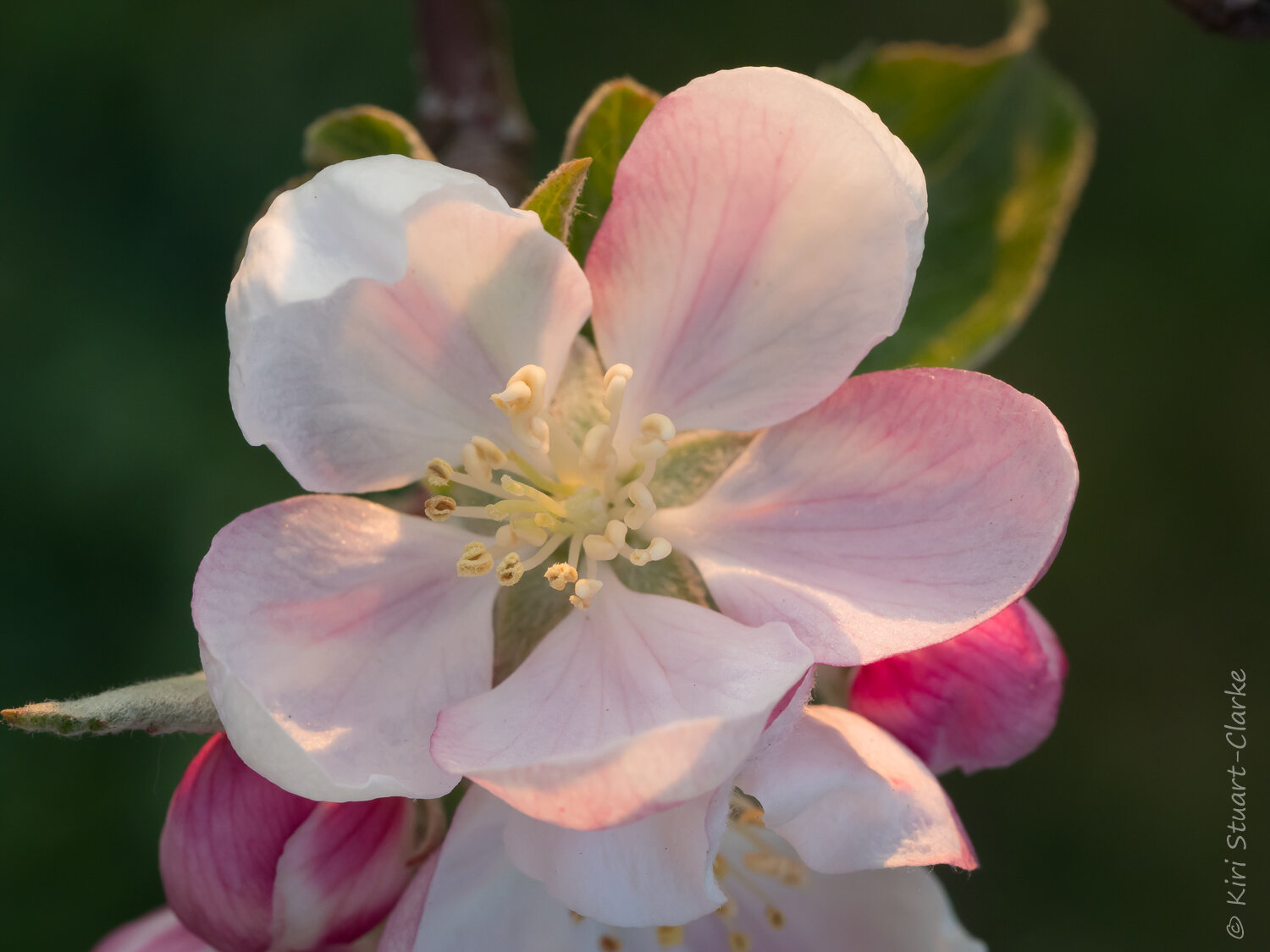
Pear Tree Blossom

The mild, sunny weather conditions have been just perfect for our fruit trees. The blossom on our heritage Norfolk pear trees has been simply divine…

Bank Vole

Sometimes you hit the limit of physics and your kit, the outcome is, ahem, aesthetically underwhelming to say the least, but you have captured a beautiful memory and that’s all that ever really matters. Here are some technically awful, through a window, ISO crazy, super slow shutterspeed (1/20th on a 400 lens with extender, ISO 64,000 for the photographers among you) grab shots of an utterly charming dusk encounter with a little russet-furred, round eared field vole that has made its home near our patio.

A favourite prey species of pretty much everything bigger than itself, including Barn Owls and Kestrels, I first identified this as the little short-tailed field vole (Microtus agrestis) , but the russet fur and round ears suggests he is actually a Bank Vole (Myodes glareolus). (S)he used clever predator avoidance tactics including hiding, freezing and zooming and taking varied circuitous routes round my collection of pollinator pots to harvest bittercress flowers, dandelion leaves and gnaw through a gone to seed dandelion flowerhead, which took quite some doing for the tiny creature working to stock its larder.

I quietly watched for some time, just enjoying the moment, before eventually reaching for my camera. Its certainly made me halt my plans to weed the cracks between my patio flagstones. Who knew that a few pollinator pots could bring my patio alive in such an unexpected way?

Short-tailed field vole using our guttering as cover before venturing out

Short-tailed field vole harvesting a gone to seed Dandelion flowerhead

Short-tailed field volves have much rounder ears than mice.

Short-tailed field vole battling with a gone to seed Dandelion flowerhead

Missing Frogs

The warmer sunny weather and the onset of our seasonal wild duck visit prompted me to check our now very overgrown pond for emerging amphibians. Our Common newts, Lissotriton vulgaris, seem to be loving the pondweed full freshwater habitat, which having been left largely unmanaged for 7 year, now has little remaining open water. The Common newts were plentiful, affording me the chance to enjoy observing this male cleverly using an uncurling new Water lily leaf as cover to stealthily creep up on its prey.

Sadly there was no sign of any frogs or frogspawn as yet and its getting late even for Norfolk, in past years we had Tadpoles swimming about by now. It’s looking likely that the local population has been struck by a rampant viral disease called Ranavirus (oh, the irony) perhaps also being adversely affected by habitat loss from local development nearby. If you are inspired to build a wildlife pond of your own and are offered or come across some frogspawn, please dont take it and introduce it to your pond so as to avoid the risk of spreading this ambhibian disease further.

Backlit Bulrush

A bulrush seed spike, or inflorescence, can hold up to 200,000 tiny seeds dispersed by the wind over winter

This winter is proving milder than usual and, so far, snowless but winter can be beautiful in many different ways. Certainly enjoying the beautiful seedheads of various native wildflowers is one such pleasure for me. Typha latifolia or Common Reedmace, known simply as “Bulrush” to most of us, flowers mid to late summer, but the large cigar-like seedheads last right through winter. This Common Reedmace seedhead was gently dispersing its myriad tiny seeds into a light steady breeze on a golden winter’s day.

Wildlife Value of Bulrush / Common Reedmace

Bulrush offers much more wildlife value than first might appear. It is an emergent marginal plant so its protruding leaf and flower spikes offer an emergence route for dragonfly and damselfliy larva and anchor point as they leave their watery life behind to metamorphosis. Meanwhile its bushy base clumps offer dense shelter from predators to all types of creatures visiting the water’s edge including newts, frogs, toads, shrews and, if you’re lucky, water voles.

Common reedmace supports four moth species in all. The three larger or “macro” moths are: the Bulrush Wainscot, Nonagria typhae, Webb's Wainscot, Globia sparganii and the Rush Wainscot, Globia algae, all of which burrow into its thick stems. The aone small -”micro” moth - the Bulrush Cosmet, Limnaecia phragmitella lives in the Bulrush’s seed heads, along with other insects like the Bulrush bug Chilacis typhae. A further insect resident is the Common reed beetle Donacia aquatica, whose larval stage feeds on the Reedmace’s shoots and then pupates in its root system.

Gardening Value of Bulrush / Common Reedmace

Common Reedmace flowers, though unassuming, are a surprisingly delicate creamy white but undoubtedly its greatest aesthetic value is in offering year round shape and form to a pond margin thanks to its dense bushy nature and broad tall spikey leaves. Additionally, its tall, cigar-like cylindrical seedheads form in late summer offer striking structural interest right through the winter.

Bulrush has historically been much maligned by traditional gardeners for its vigour and indeed its prolific seedheads, which can contain up to 200,000 seeds each, do mean it can be quick to spread and selfseed. However it is very easily pulled out if it starts expanding too enthusiatically and is a great addition to almost any sized wildlife pond. In smaller ponds it may be a good idea to plant it in containers to help rein in its expansionist tendencies.

Plant Lore of Bulrush / Common Reedmace

Being a longstanding native of our lakes rivers and ponds and widespread right across the British Isles, Common Reedmace has nearly as many descriptive folklore names as its seedhead does seeds! Aruond 40 often colourful folklore names have been documented for it. Many such as Black cap, Blackie toppers, Blackheaded laddies, Black Puddings and Hard-head reference the early dark seed head phase, some like Candlewick, Chimneysweep, Pokers, Flue brushes allude to its tall spikes, yet others still including Cat’s tails, Pussies, Pussy tails, Flax-tail evoke its late winter stage shedding fluffy seeds. There are also the odd biblical, maritime and punitive variants including Devil’s poker, Holy poker and Cat'-o’-nine-tails. A few linguistically more obscure names are there too such as Dod, Gladden, Levvers and Seg (perhaps an earlier form of sedge).

Ironically its most common name, Bulrush, isn’t strictly correct. The true Bulrush is actually Scirpus lacustris (also Schoenoplectus lacustris), also an emergent native but in a different plant family and often also called Common Club-rush to avoid confusion.

Bulrush does carry one longstanding superstition, for some reason the seedhead spikes are traditionally believed to denote bad luck or death if brought into the house.

Culinarily its roots used to be used like potatoes and ground to make a high protein flour, while its new shoots were used as an asparagus substitute. Medicinally it was used as a diuretic and its leaves or roots were used to help sores and other wounds

More on its historical uses can be found at Plants For A Future

Purple Loosestrife and Autumn Copper

Small Copper butterfly nectaring atop a Purple Loosestrife flower

One of the most spectacular, for me almost magical, wildlife gardening plants I’ve discovered in my project to create a wildlife-friendly garden is Purple Loosestrife.

Purple Loosestrife grows in a dense cluser on pond and river edges. Its foliage and flowers support a variety of long-tongued pollinators

These butterfly photos, probably my last of 2019, a quickly grabbed series of a Small Copper butterfly, Lycaena phlaeas, frantically nectaring on swaying Purple Loosestrife flowers by my wildlife pond on a sunny but very blustery mid-September’s day, illustrate perfectly why it is such a wonderful wildlife-friendly plant to grow.
Gardening Value

Purple Loosestrife, or Lythrum salicaria to give it its botanical name, is a native perennial, widespread across the UK. In the wild it inhabits a range of damp habitats including river edges, marshes and pond margins. The wildflower works well in gardens because its height and colour have a strong impact, making it visually impressive in the way that relatively few other native wildlfowers are.

Its almost exotic-looking flowers are formed of tall rosettes of rich magenta-pink petals and it enjoys a long flowering period from June until well into September. Salicaria refers to the willow-like, elongated oval shape of its leaves and its red-hued stems can be striking in their own right, adding height and structure to a pond margin. Purple Loosestrife is easy to grow, being a vigourous plant which can grow up to a metre and a half tall, often in quite dense colonies and tolerates a wide variety of soil types. It establishes easily, so much so that in North America it has become designated an invasive species, and has a reputation and status similar to that of Himmalayan Balsam here.

Elephant Hawkmoths use Purple Loosestrife as a caterpillar host plant and have magenta markings

Wildlife value

Purple Loosestrife is a particularly useful nectar source for a variety of long-tongued insects; not just butterflies and bees, but also hoverflies and moths, including several hawk moth species. Its prolonged midsummer-into-autumn flowering period means Purple Loosestrife can serve pollinators as a nectar source both through the “June Gap” as well as supporting later emerging and second brood insects, such as Small Copper butterflies well into early autumn when many other nectar sources such as meadow flowers have vanished with the haycut and harvest.

Being a UK native wildflower, it is also favoured as a caterpillar host plant by several moth species including the Elephant Hawk-moth, Willowherb Hawkmoth and the Powdered Quaker.

Plant folklore

Its main common name suggests one of its many herbal uses may have been to “loose strife” and historically it was also used medicinally to help gastric upsets, fevers and dysentry. Lythrum comes from the Greek word for “gore”, again referencing its vivid flower hue. Alternative names for Purple Loosestrife include “Blooming Sally, Bouquet Violet, Grass Polly, Purple Willowherb, Purple Lythrum, Salicaire (its French name), Red Sally, Soldiers, Spiked Willowstrife, Stray by the Lough (Ireland) Swaggering Sally”. A red dye and food colouring used to be made from its vividly coloured flowers and its tannins have been used to preserve ropes or wood from rotting in water.

Small Copper butterfly in profile seeking nectar rich Purple Loosestrife flowers

Small Copper butterfly amidst swaying Purple Loosestrife flower spikes

Small Copper using its long proboscis to nectar on Purple Loosestrife