A photo identification guide for the confusing Brown family grassland and meadow butterflies
Read MorePhoto Blog
I blog about nature in the Norfolk countryside and about my wildlife garden.
An Aberration!
A Small Tortoiseshell aberration semiichnusoides butterfly showing merged costal black spots and white marginal streaks instead of blue studs on the forewing and missing the orange band on the hindwings
Our hot late June summer weather didnt last too long, and perhaps could be deemed an aberration in its own right, but it also seems to have had a major impact on our caterpillars while they metamorphosed into butterflies.
I got curious when I spotted this unusually marked Small Tortoiseshell butterfly and discovered a strange world of genetics and temperature driven body chemistry!
It takes about 4 weeks for a caterpillar to metamorphose into an adult butterfly in a fascinating “black box” process that science still knows surprisingly little about.
The term for a butterfly with these atypical variations in markings is “an aberration”, which stems from the latin aberrationem, literally meaning “a wandering”. First used in the 1590s, the modern meaning of “a deviation from the normal type” is attested by 1735.
It turns out that both genetics and abnormal weather (and perhaps even the two in combination) can play a role in triggering these deviations. Aberrations are caused when something interrupts the usual pattern of markings during their development inside the butterfly’s chrysalis. One hypothesis is that sudden temperature “shocks” (in either direction) may trigger melanin release (a dark pigment) to increase or decrease.
Another possibility is the activation of rare inherited “recessive” DNA genes (a gene that requires both parents to have it to be activated) that are atypical because they hinder the chances of an individual finding a mate, or even surviving under normal conditions. They continue however to be carried in the population because they may perhaps aid survival in abnormal conditions.
One example of this is the better known aberration - the dark brown“Valezina” form of the Silver-washed fritillary quite often seen now at Holt at Foxley Woods. Valezina, due to its dark colouration is more able to fly and find nectar in unusually cool temperatures than its typical bright orange counterpart, but which may then be at a disadvantage when it comes to finding a mate and reproducing due to being less readily recognised.
Whether the sudden temperature change we saw at the end of June activated a dormant gene relating to surviving with abnormal weather or coincidentally acted directly on melanin production remains one of the fascinating mysteries of nature.
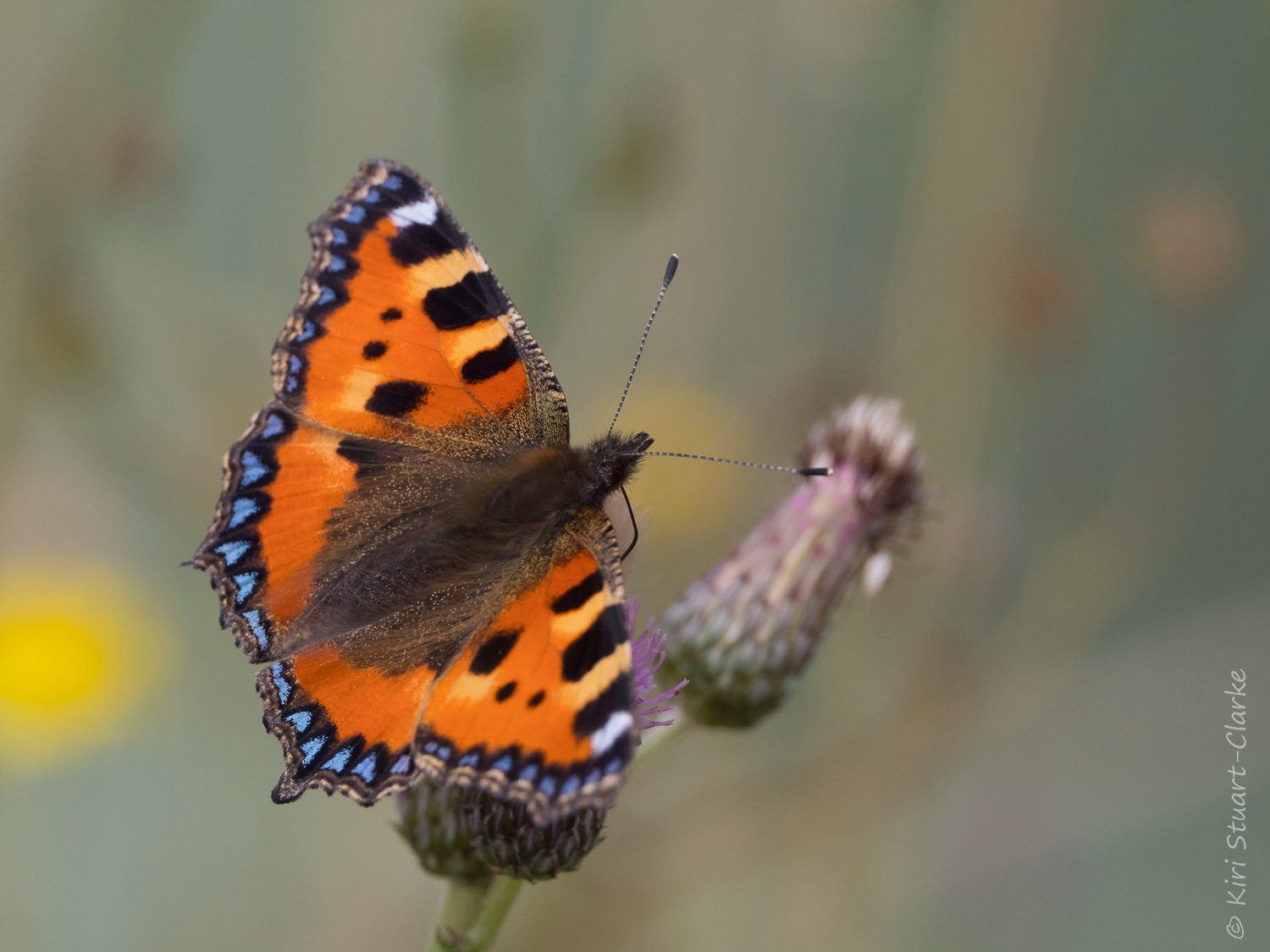
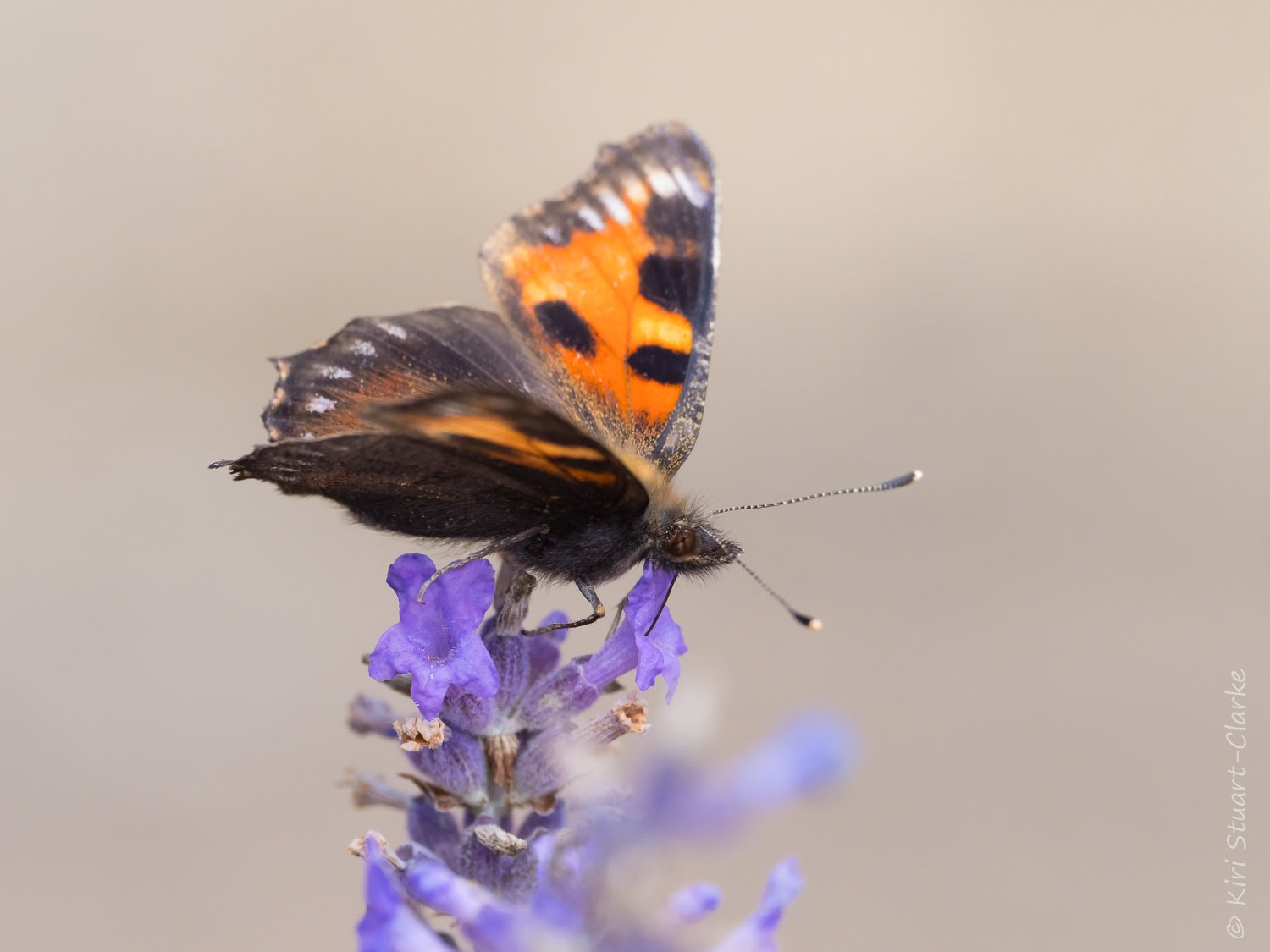
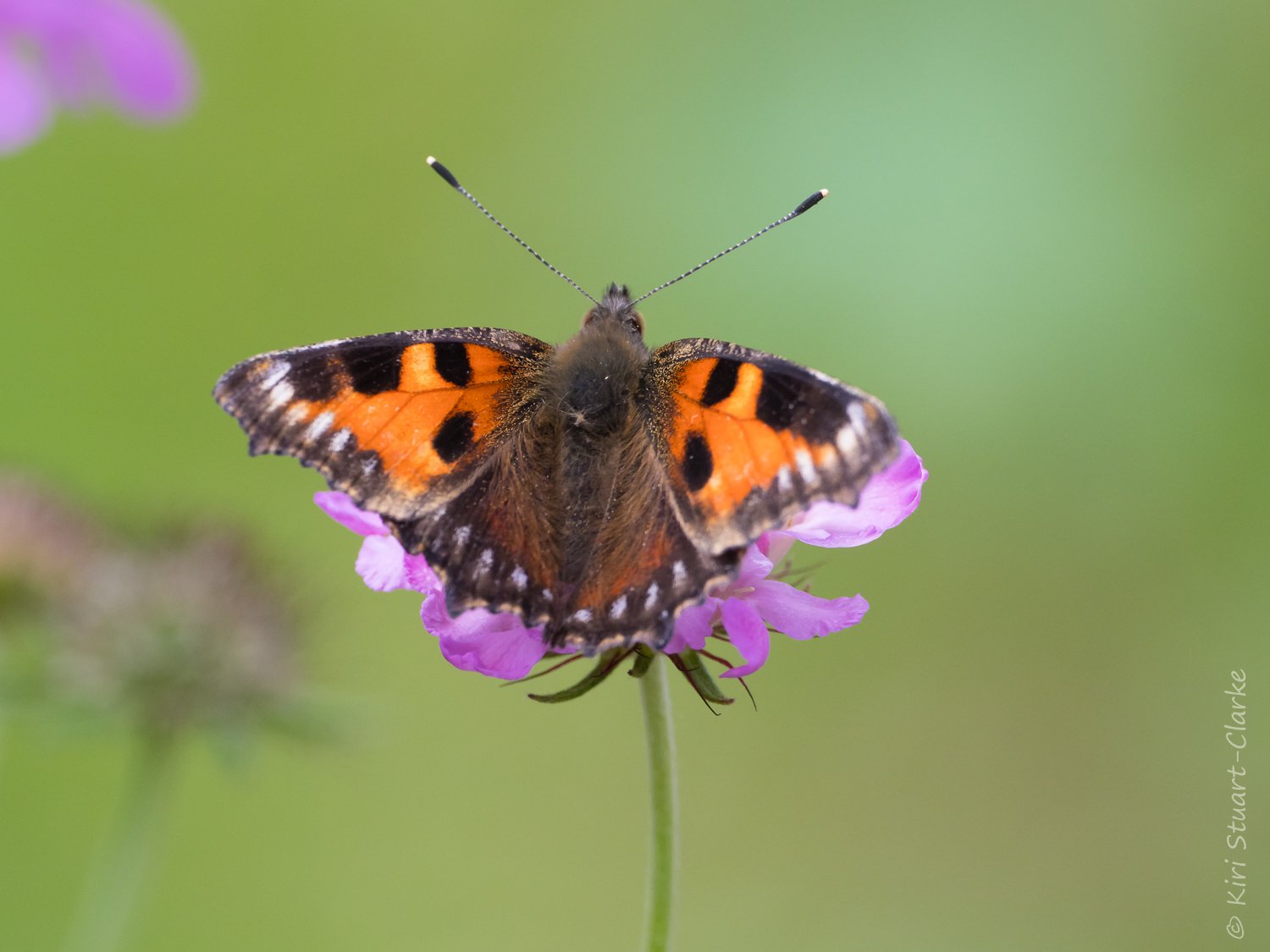
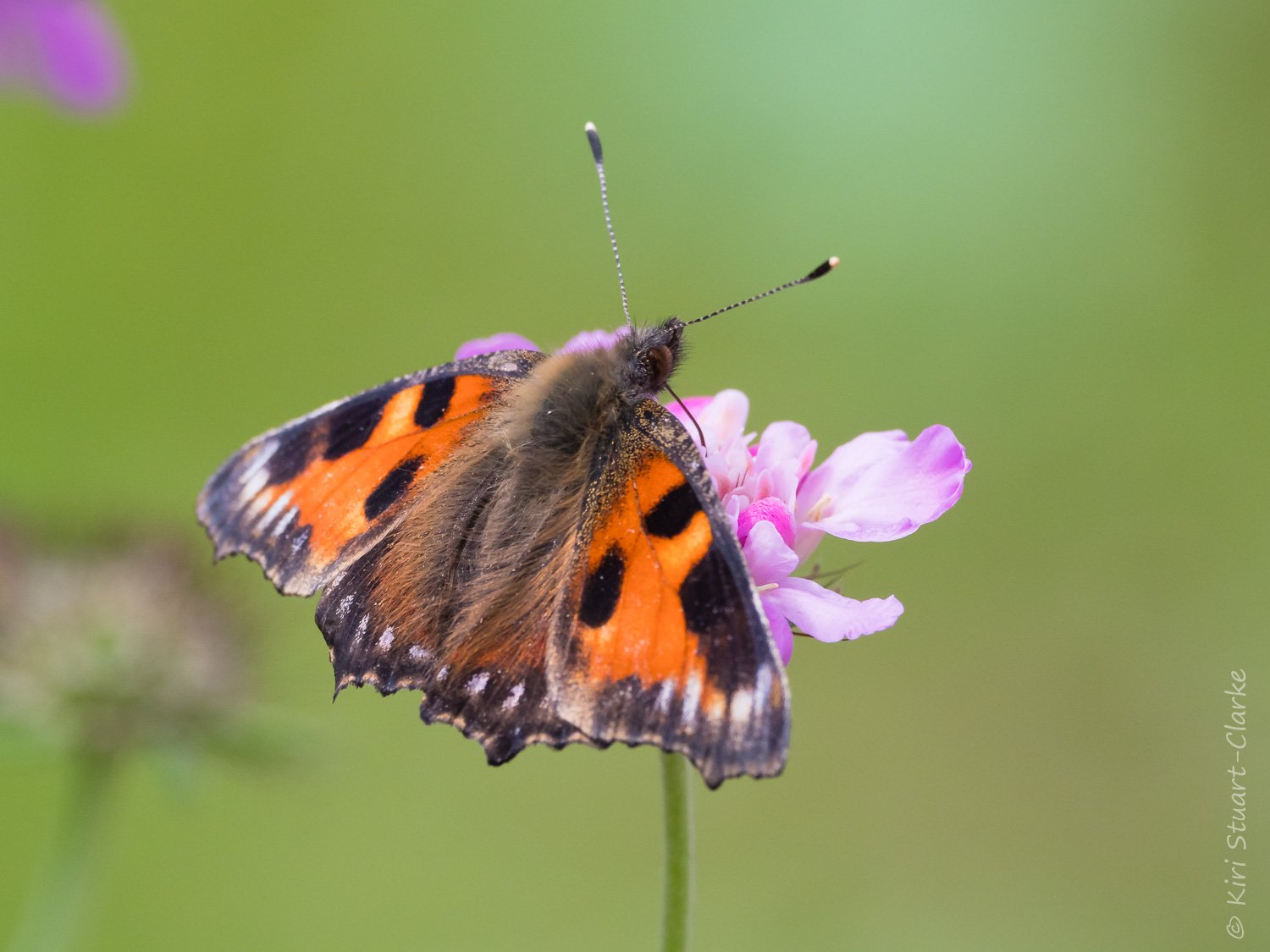
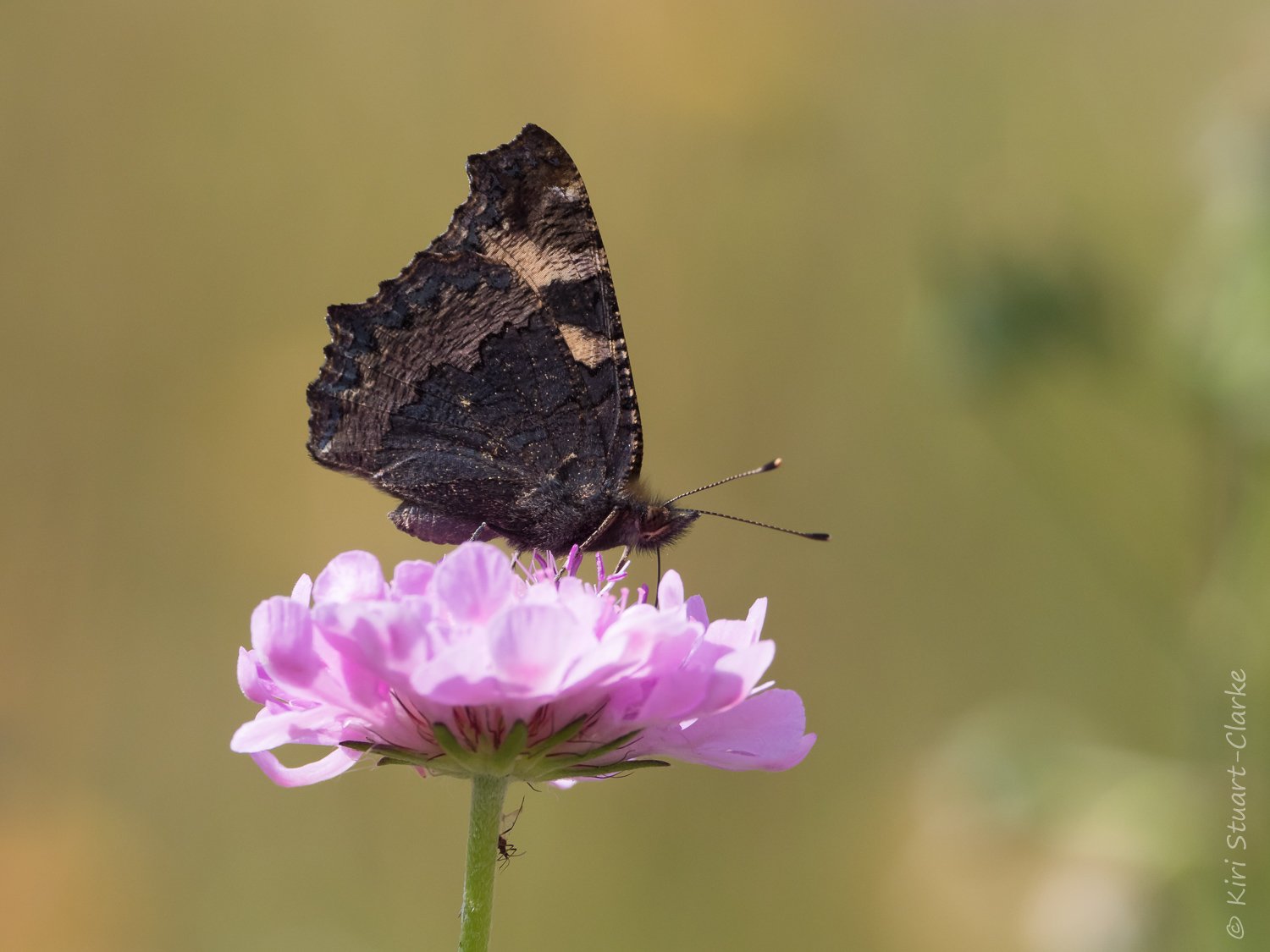
Small Tortoiseshell Aglais urticae (normal type) vs Small Tortoiseshell (aberration semiichnusoides). Both butterflies are likely to be siblings as they were hosted as caterpillars on my nettle bed and appeared fresh on the same day together.
Last Common Blue Butterflies of the season
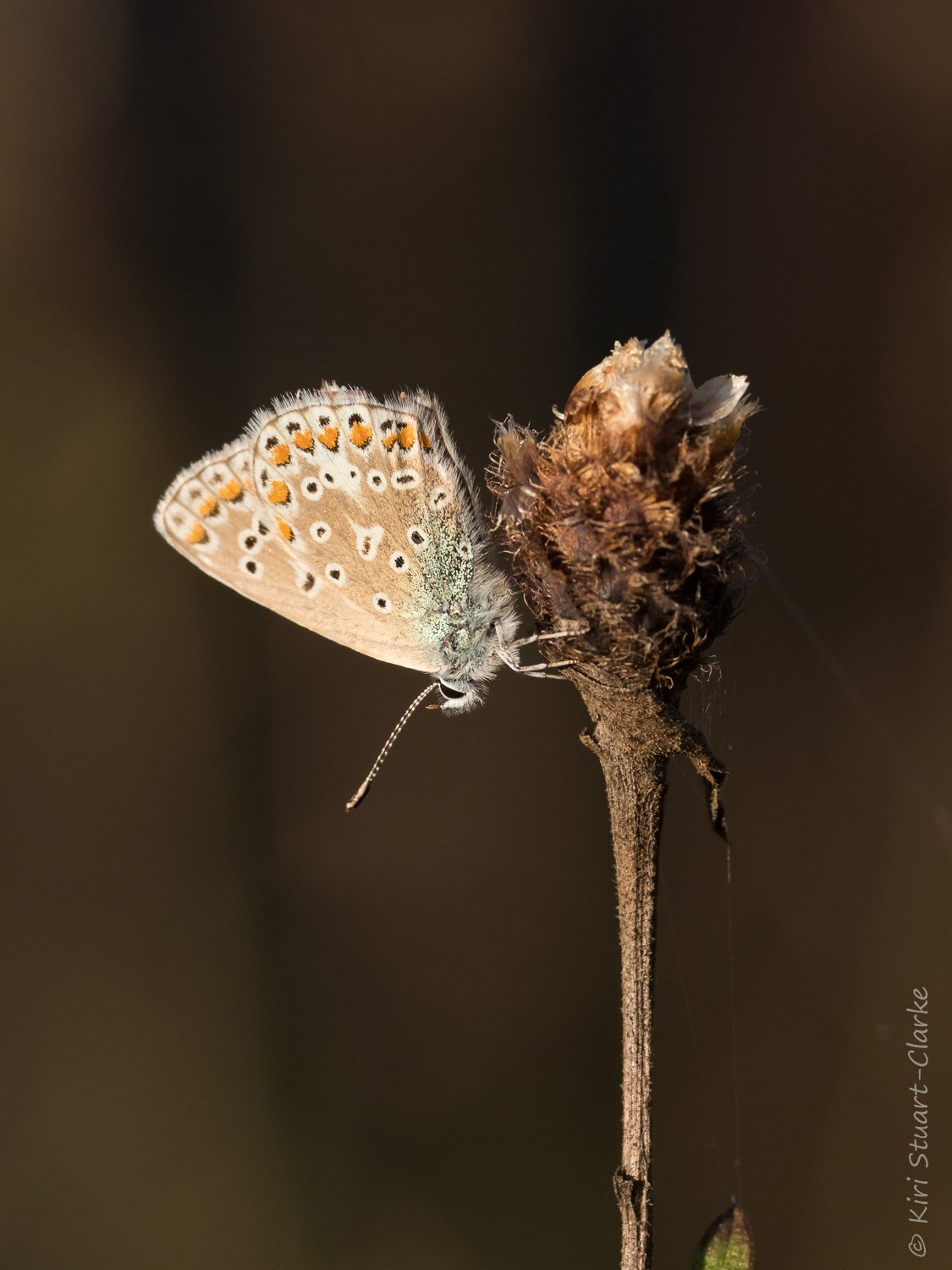
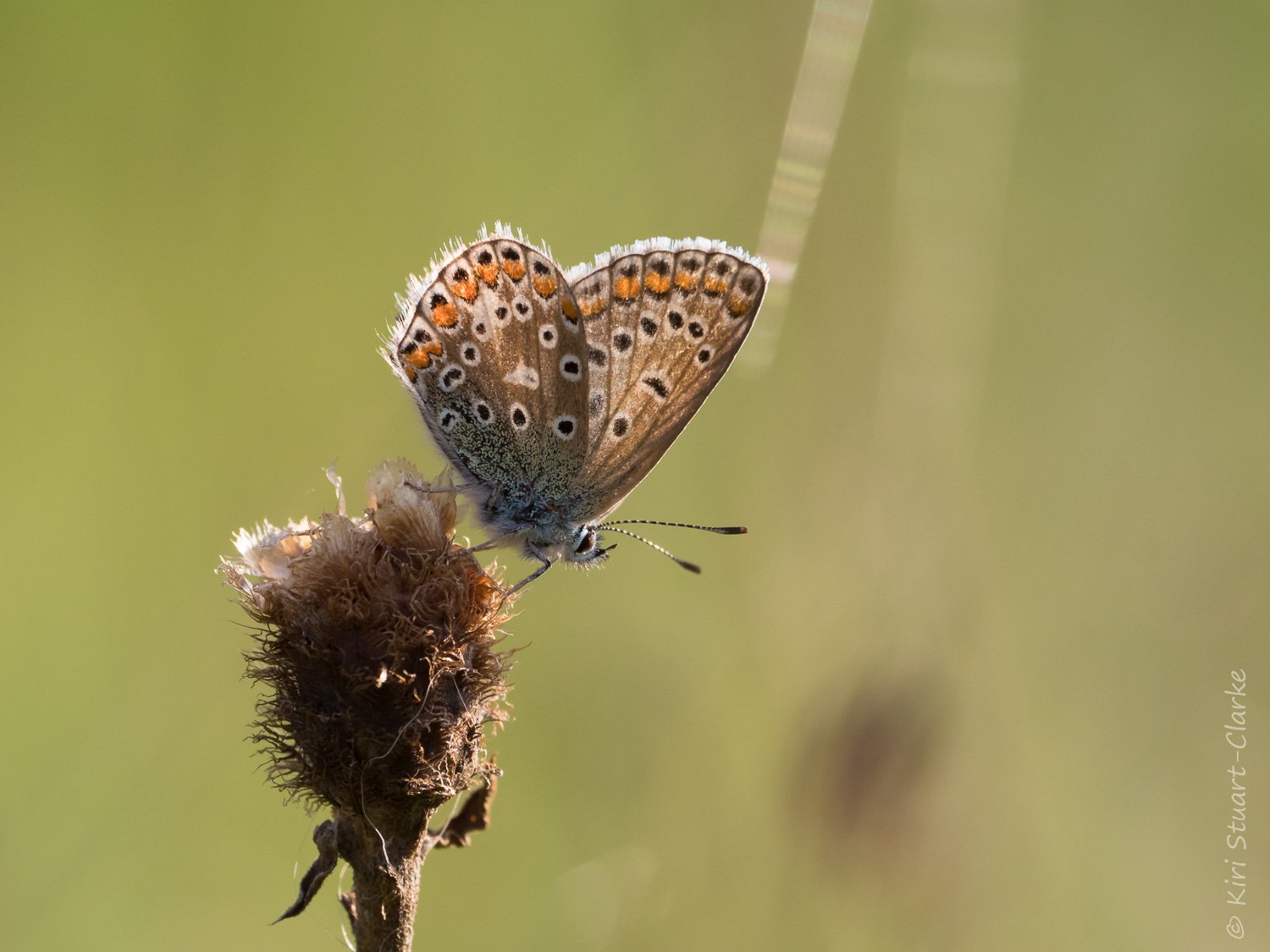
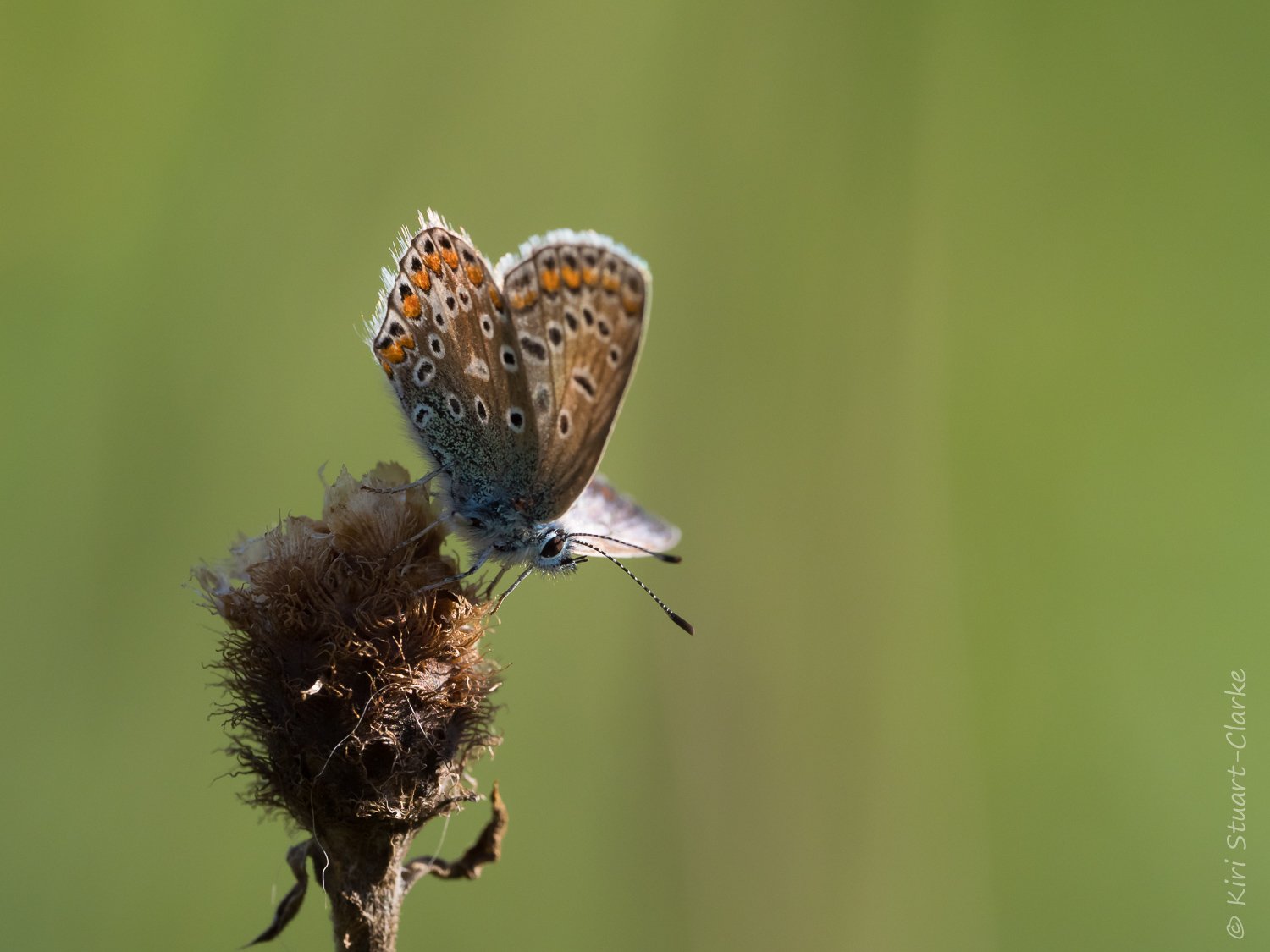
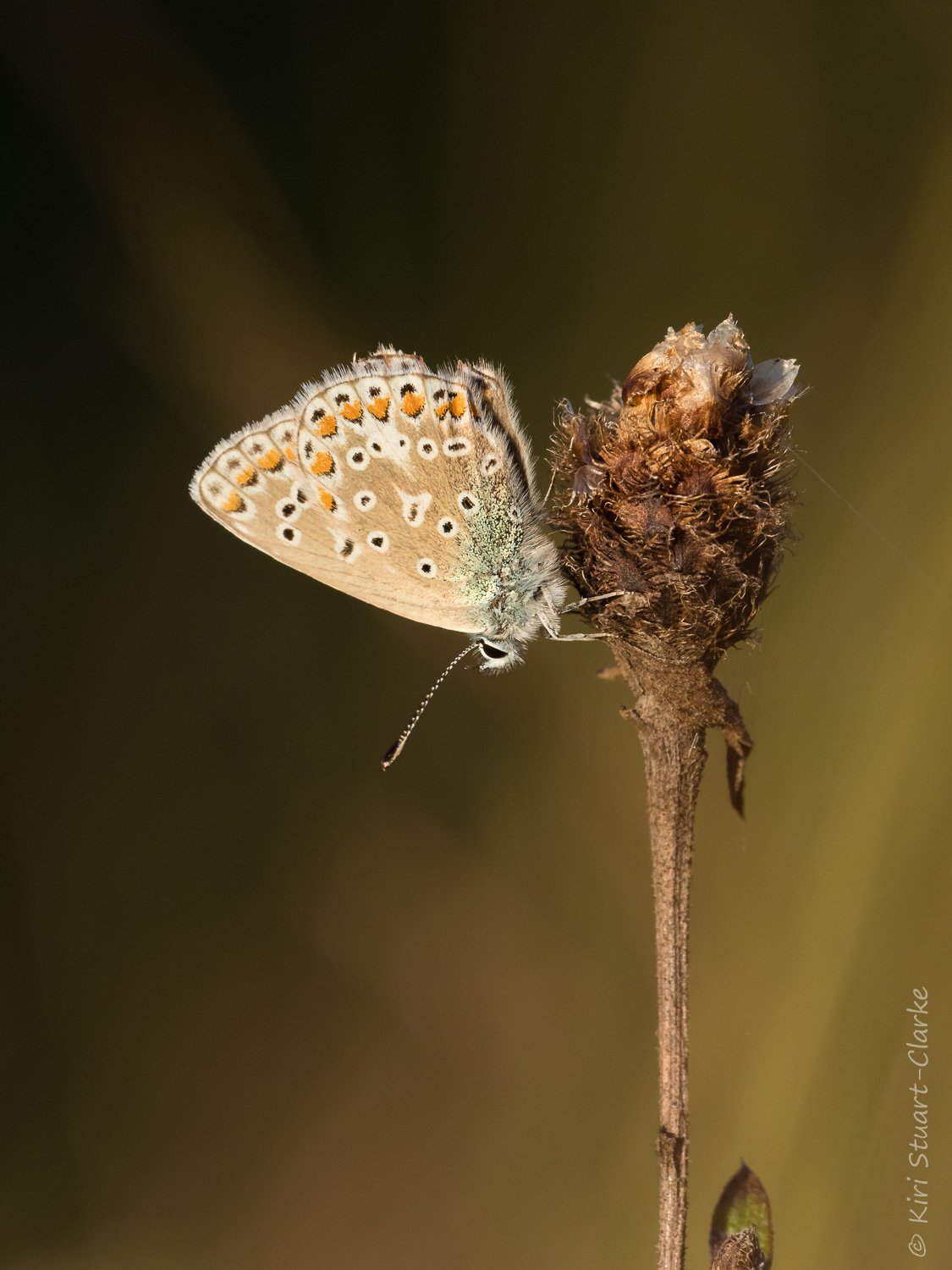
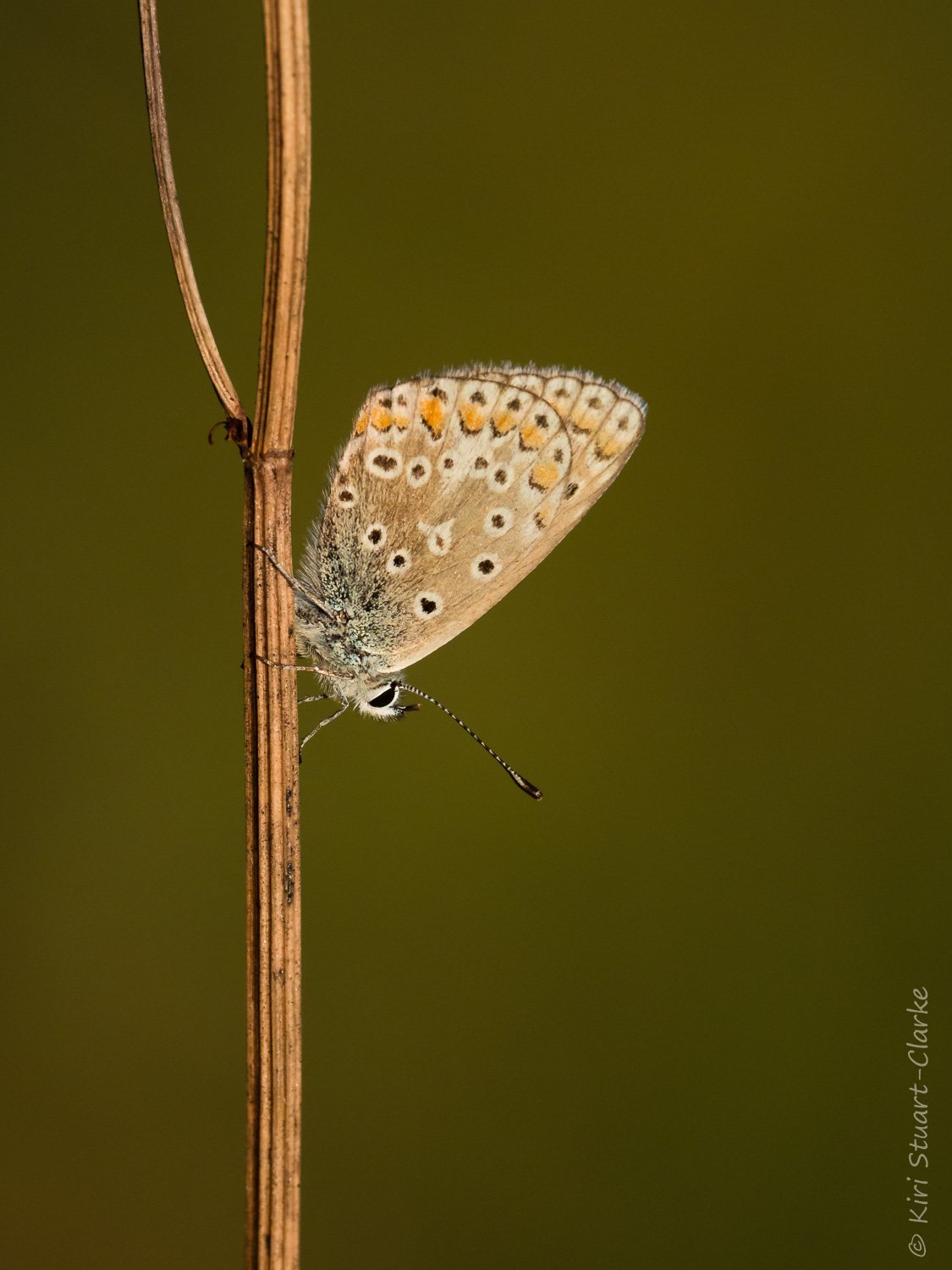
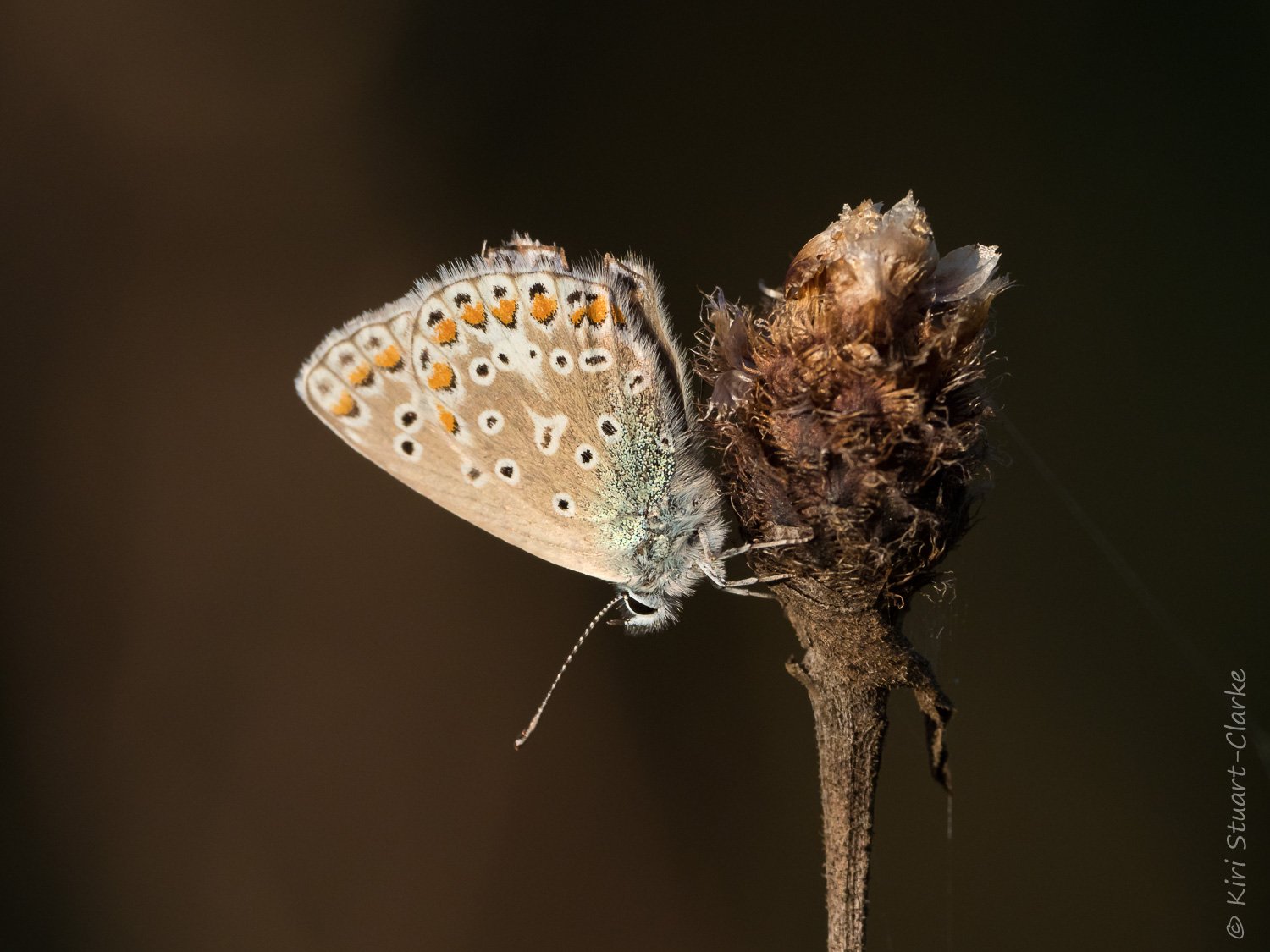
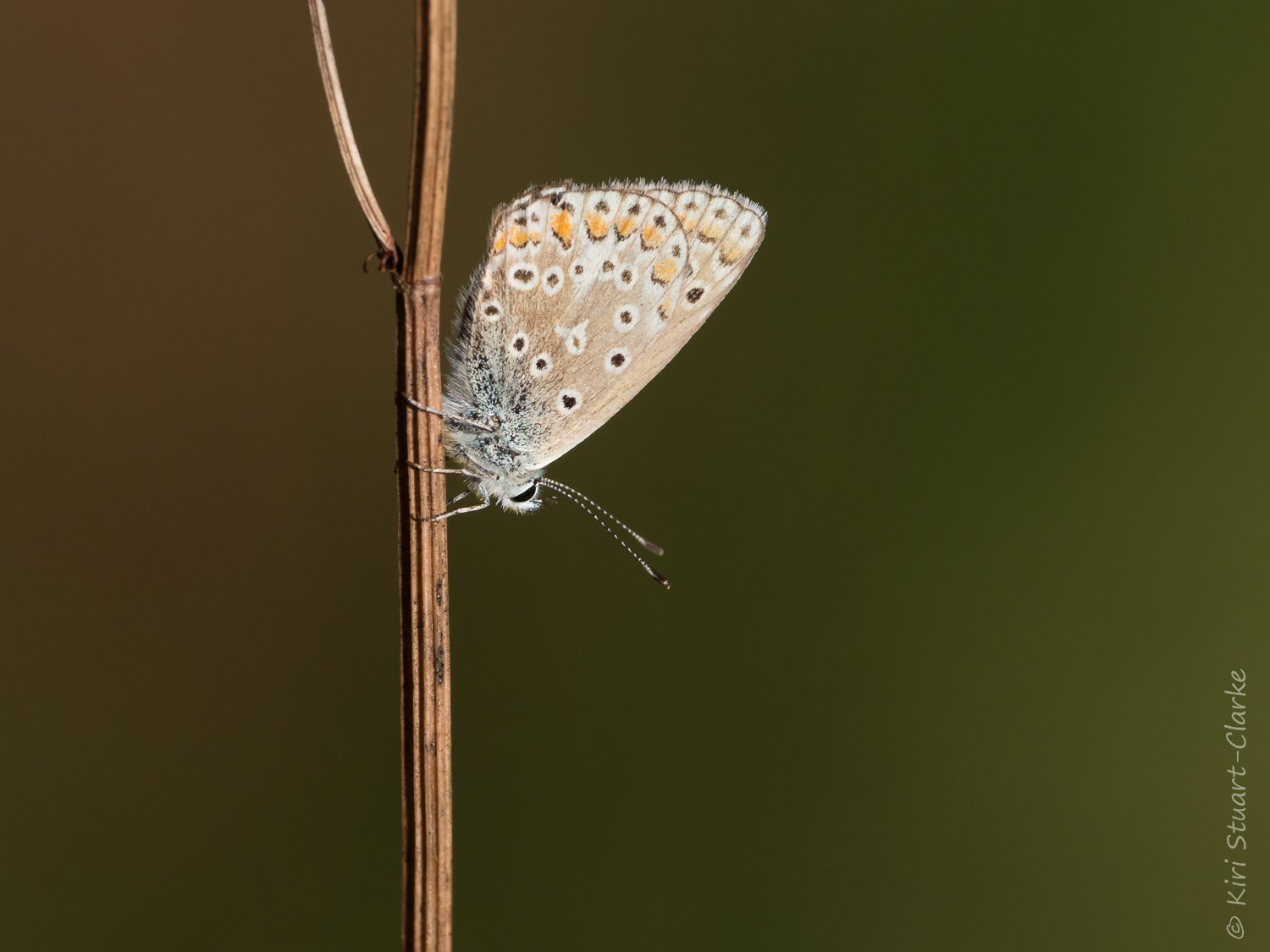
What was probably my last butterfly shoot of 2022 happened one evening in beautiful golden light when I spotted not one but four female Common Blue butterflies settling down to roost in a very small strip of our wildflower meadow that we’d decided for the first time was mature enough to leave uncut over winter.
It was a timely reminder to me that the less we humans do to intervene, “control” and “manage” things and the more we resist the urge to “tidy up”, the better chance wildlife has to thrive in our man-made garden, park and urban environments.
Butterflies in particular are vulnerable to disturbance at pretty much any time of year as their eggs, caterpillars or pupae lifestages may all be needing to shelter amongst or feed on plants even when adults are not on the wing. If at all possible, its a good idea to try to leave a section of meadow untouched for a full twelve month cycle at any one time to allow larval stages to overwinter successfully undisturbed.
Nature just isn’t a tidy phenomenon, its chaotic and unpredictable. But the innate human desire for what is ultimately a false sense of control is a perennial urge played out in our gardens and very hard to resist, especially when accompanied by societal pressures of convention and fashion. Over the years this along with the globalisation of plant production resulted in the creatiion of a modern aesthetic that is surprisingly wildlife unfriendly from an ecological perspective, with large showy double blooms with little nectar to offer pollinators, exotic non-native flowers that can’t be used as host plants and monoculture green-baize lawns doused in weedkiller to prevent even a daisy or dandelion, and these days, a great deal of hard landscaping too.
Thankfully the emergence of the wildlife-friendly gardening trend and greater awareness of envirnomental issues is gradually encouraging the development (and revival) of more naturalistic planting schemes and is evolving that traditional aesthetic towards more sympathetic wildlife-friendly designs such as prairie style and cottage-garden planting, low mow flowering lawns and the inclusion of mini wildflower meadows and even wildlife ponds.
After all, who wants a dull old bowling green lawn when the reward is enjoying beautiful wildlife sights like these little roosting butterflies instead!
The Fifth And Most Beautiful Season
The sight of a Common Darter dragonfly perching on Purple Loosestrife is a sure sign that autumn is just around the corner …
Its funny how you intuitively sense the turning of the seasons even before anything obvious has actually changed. Its like a little pause as nature takes its breath before things transition.
The days are calm, its still hot and sunny, storms have yet to arrive; yet things are somehow imperceptibly different. Maybe the light is softer and more golden, maybe a dew appears, maybe you notice a spiders web, or dusk arriving that little bit earlier.
German writer Kurt Tucholsky called this magical, all-too-brief hiatus between summer and autumn the “Fifth season”. Ironically, Tucholsky lived during a period of transition himself -becoming a major literary figure during the turbulent Weimar period in Germany and being one of the first writers to have books burned when Hitler came to power. I couldn’t find an English translation so I’ve attempted a rough side-by-side translation of his poem below (my German translation scores at uni were always lousy, so please forgive any linguistic clumsiness).
For me nothing evokes this “fifth season” like the sight of Small Copper butterflies dancing amongst the beautiful magenta Purple Loosestrife flowerspikes that encircle my wildlife pond, and crimson Common Darters waging their ariel battles and hovering in tandem above the water. Such a beautiful, yet ephemeral sights …
“One morning you smell autumn. It is not yet cold; it is not yet windy;
nothing actually has changed at all - and yet everything has.”
Die Fünfte Jahreszeit - Kurt Tucholsky
Wenn der Sommer vorbei ist und die Ernte in die Scheuern gebracht ist, wenn
sich die Natur niederlegt, wie ein ganz altes Pferd, das sich im Stall hinlegt,
so müde ist es - wenn der späte Nachsommer im Verklingen ist und der frühe
Herbst noch nicht angefangen hat - dann ist die fünfte Jahreszeit.
Nun ruht es. Die Natur hält den Atem an;
an andern Tagen atmet sie unmerklich
aus leise wogender Brust. Nun ist alles vorüber: geboren ist, gereift ist, gewachsen ist, gelaicht ist, geerntet ist - nun ist es vorüber.
Nun sind da noch die Blätter und die Sträucher,
aber im Augenblick dient das zugar nichts; wenn überhaupt in der Natur ein Zweck verborgen ist: im Augenblicksteht das Räderwerk still. Es ruht.
Mücken spielen im schwarzgoldenen Licht, im Licht sind wirklich schwarze Töne,
tiefes Altgold liegt unter den Buchen, Pflaumenblau auf den Höhen ... kein Blatt
bewegt sich, es ist ganz still. Blank sind die Farben, der See liegt wie gemalt,
es ist ganz still. Ein Boot, das flußab gleitet, Aufgespartes wird dahingegeben - es ruht.
So vier, so acht Tage - Und dann geht etwas vor. Eines Morgens riechst du den Herbst. Es ist noch nicht kalt; es ist nicht windig; es hat sich eigentlich gar nichts geändert - und doch alles.
Noch ist alles wie gestern: Die Blätter, die Bäume, die Sträucher ... aber nun ist alles anders....Das Wunder hat vielleicht vier Tage gedauert oder fünf, und du hast gewünscht,
es solle nie, nie aufhören... Spätsommer, Frühherbst und das, was zwischen ihnen
beiden liegt. Eine ganz kurze Spanne Zeit im Jahre.
Es ist die fünfte und schönste Jahreszeit.
The Fifth Season - Kurt Tucholsky
When summer is over and the harvest brought into the barns, when nature lies down like an old horse that lies down in the stall,
it is so tired - when the late
days of summer are waning and early autumn has not yet arrived - that is
the fifth season.
Now it rests. Nature holds its breath;
on other days it breathes imperceptibly
from a gently heaving chest. Now everything is over: born, ripened, grown, spawned, harvested - now it is over.
Now the leaves and bushes are still there,
but in an instant that turns to nothing;
if there is a purpose hidden in nature at all: for a second the gears stand still. It rests.
Midges play in black-golden light, in the light are really black tones,
deep antique gold lies under the beeches, plum-blue in the canopy … no leaf
stirs, it is completely still. The colours are bold, the lake is as if painted,
it is completely still. A boat that glides downstream,
What is stored up is released - it rests.
So four, so eight days - and then something happens. One morning you smell autumn. It is not yet cold; it is not yet windy; nothing actually has changed at all - and yet everything has.
Everything is still like yesterday: the leaves, the trees, the bushes … but now everything is different …. The wonder has lasted maybe four days or five, and you have wished
it would never ever end…late summer, early autumn and that which lies between them both. A whole short span of time in the year.
It is the fith and most beautiful season.
Seeing Small Copper butterflies in my wildlife garden is another hint that autumn is on its way.